Commercial Roof Insurance Claims
Damage assessment, adjuster walkthroughs, and full-scope documentation for commercial roof insurance claims in Oklahoma City — so you and your adjuster work from an accurate scope.
Roof repair, replacement planning, coatings, maintenance, and inspection support for commercial buildings across the Oklahoma City metro.
Damage assessment, adjuster walkthroughs, and full-scope documentation for commercial roof insurance claims in Oklahoma City — so you and your adjuster work from an accurate scope.
Impact mapping and membrane assessment for hail damage claims on Oklahoma City commercial roofs, one of the most hail-prone metros in the country.
Two scheduled rooftop visits a year plus a pre-snow check, on one recurring line item — photo-documented so nobody has to chase the roof.
Membrane uplift, debris damage, and deck assessment documentation for straight-line wind and storm-related roof insurance claims in the OKC metro.
Freeze-thaw, drain, and flashing damage assessment for the occasional but real ice storms that hit Oklahoma City commercial roofs in winter.
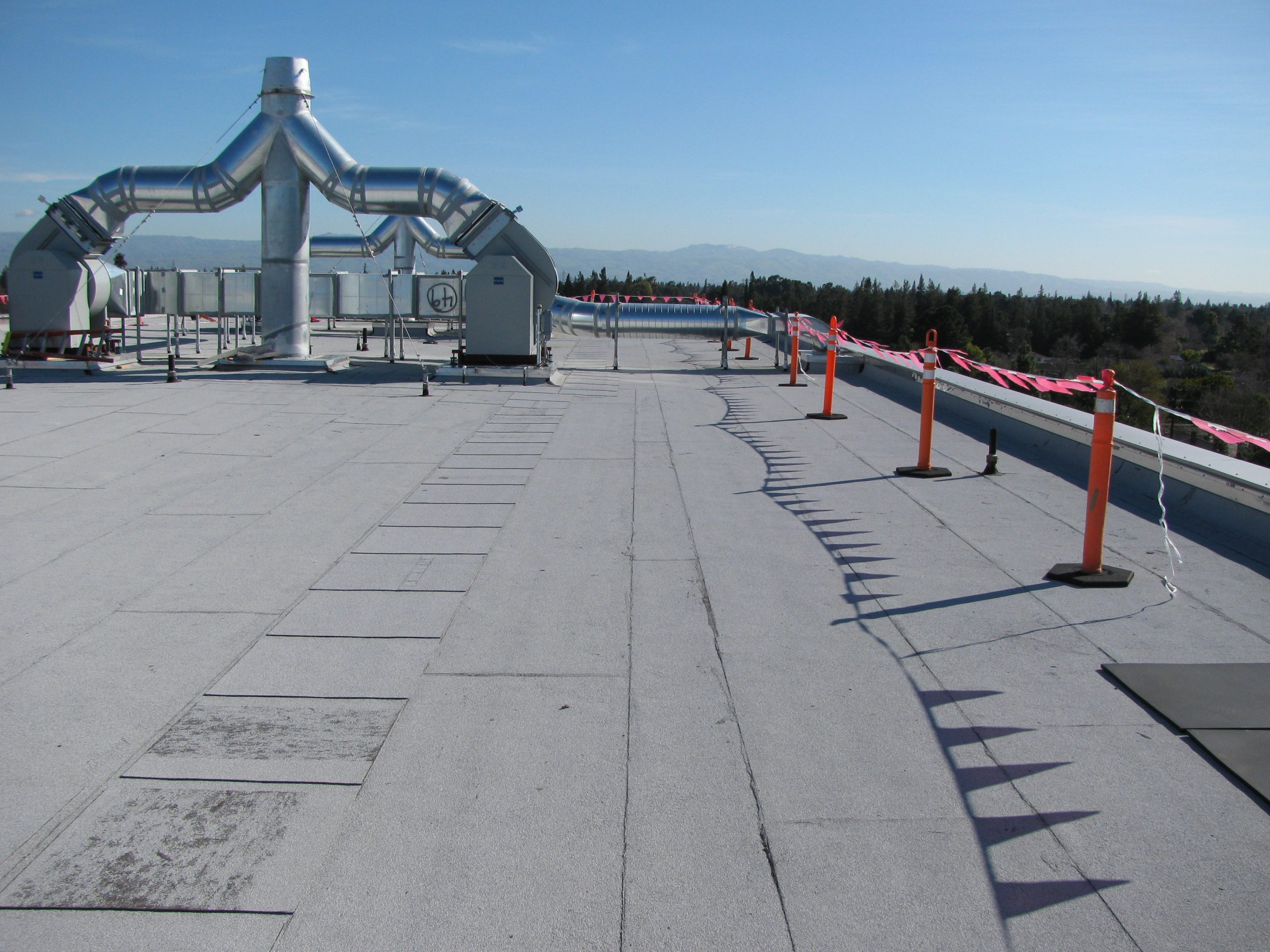
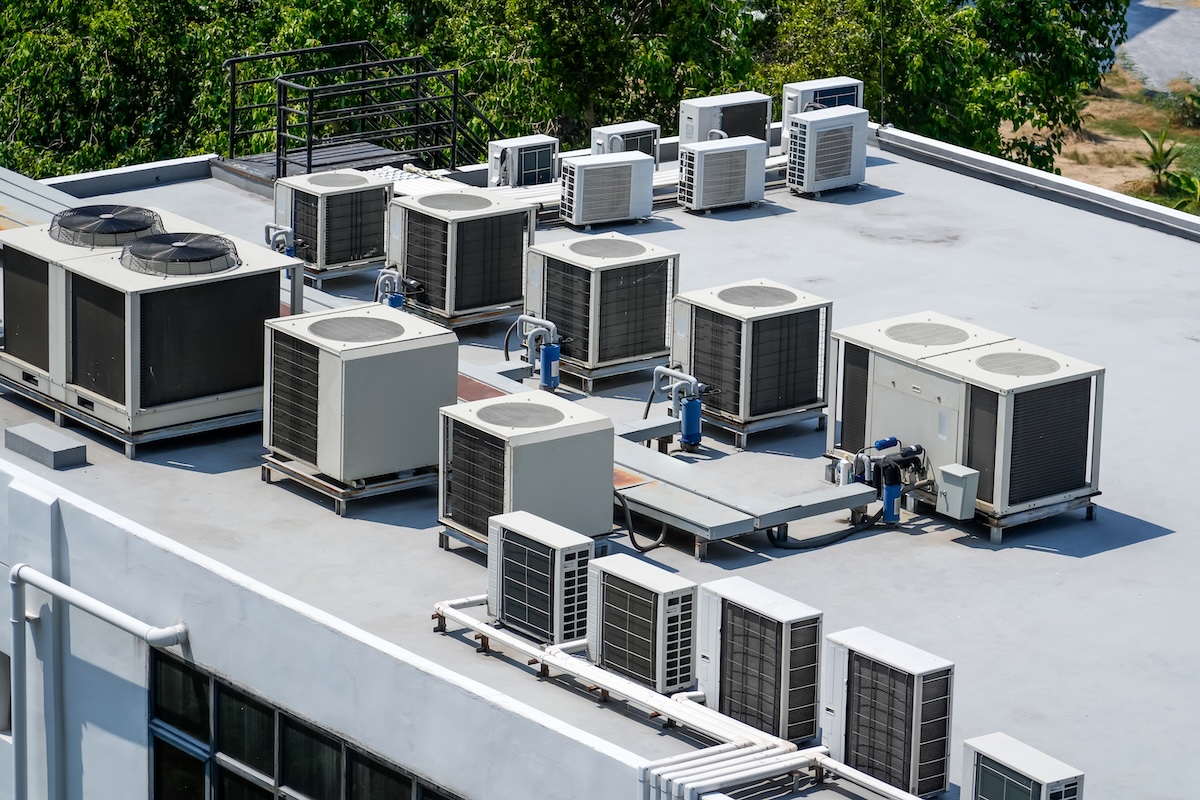
Commercial Roof Repair starts with drainage paths, rooftop equipment, edge metal, visible defects, and budget timing, then becomes a written scope the building team can approve without guessing. That creates a cleaner handoff between the first roof walk, the estimate, and the closeout record.
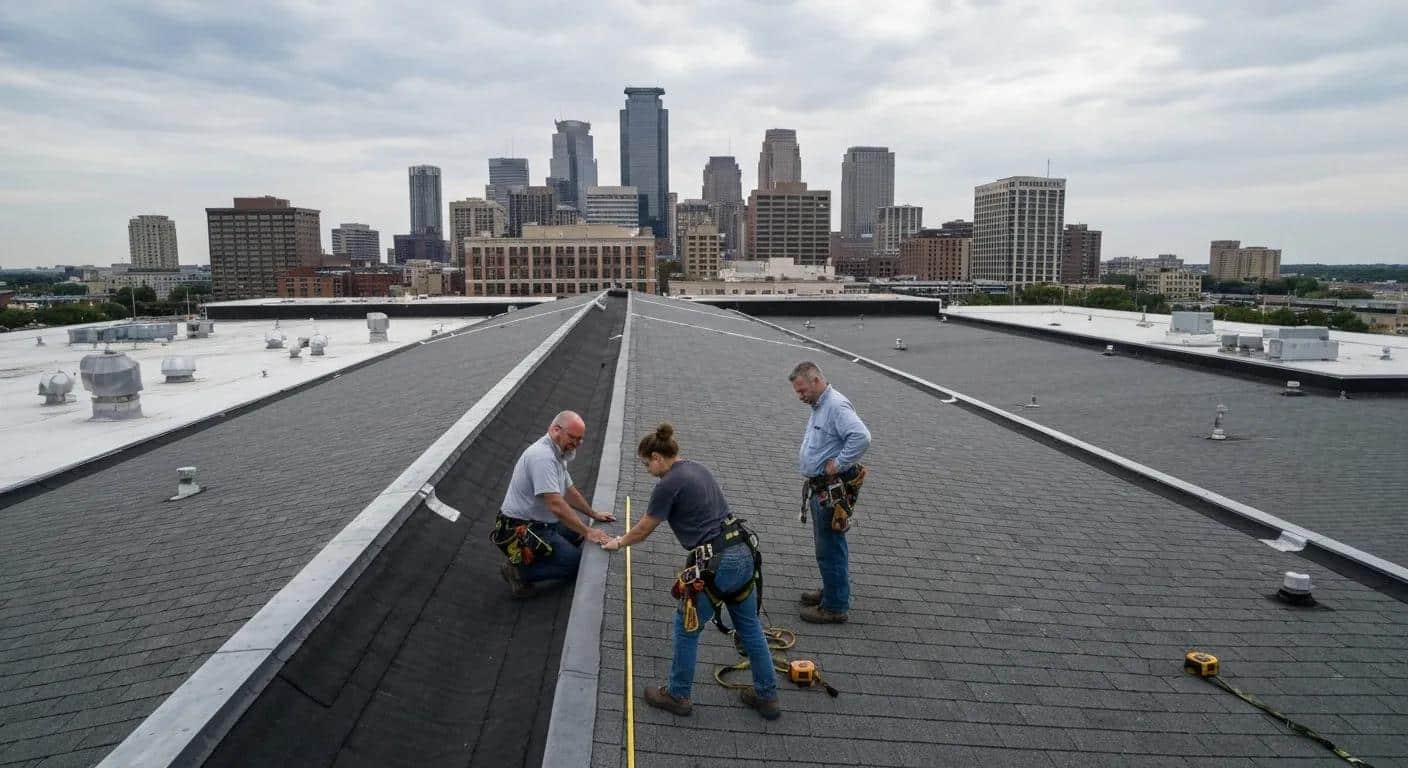
For Roof Leak Repair, the roof walk looks at active water entry, temporary dry-in needs, storm exposure, and closeout photos before separating quick repairs from larger capital decisions. That approach helps separate a roof symptom from the actual building risk underneath it.
Emergency Roof Repair is planned around active water entry, temporary dry-in needs, storm exposure, and closeout photos so pricing reflects the roof condition, not a generic service menu. The page is written for owners who need enough detail to act, not just a broad service label.
Commercial Roof Replacement is useful when tear-off risk, recover options, deck condition, phasing, and tenant disruption need to be documented before crews, materials, and work windows are scheduled. The result is a roof note the owner can use for scheduling, funding, and follow-up.
Commercial Reroofing starts with tear-off risk, recover options, deck condition, phasing, and tenant disruption, then becomes a written scope the building team can approve without guessing. The recommendation is meant to help owners compare repair urgency against longer-term roof cost.
For Commercial Roof Maintenance, the roof walk looks at service intervals, roof-zone history, warranty records, and recurring leak prevention before separating quick repairs from larger capital decisions. That creates a cleaner handoff between the first roof walk, the estimate, and the closeout record.
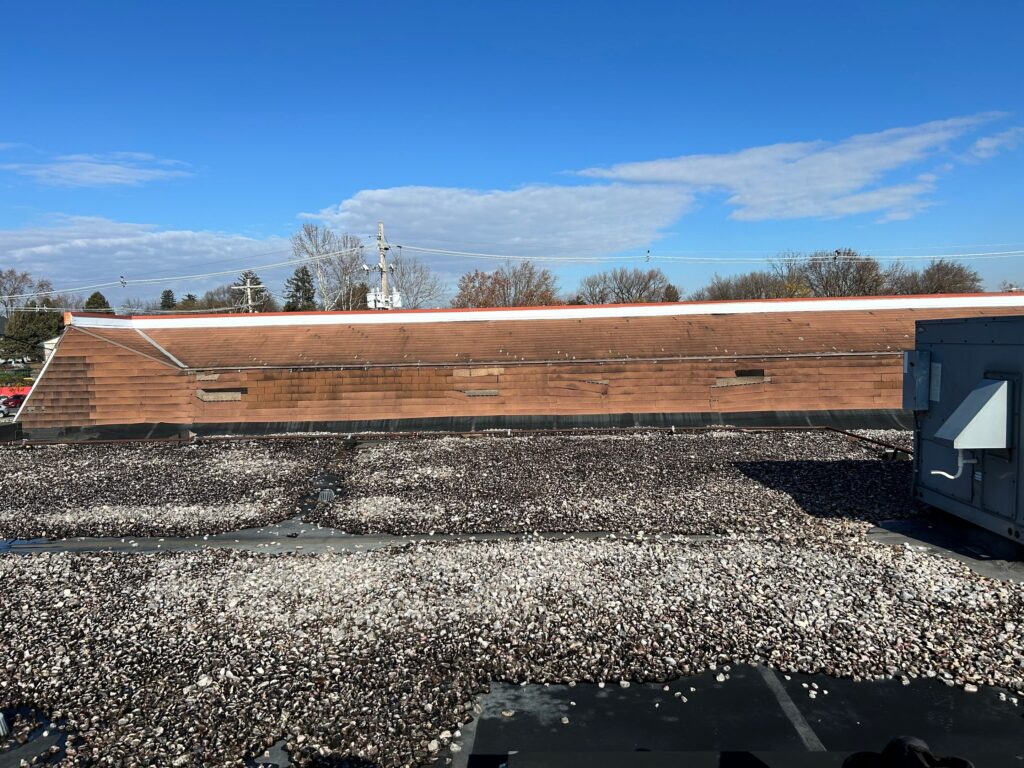
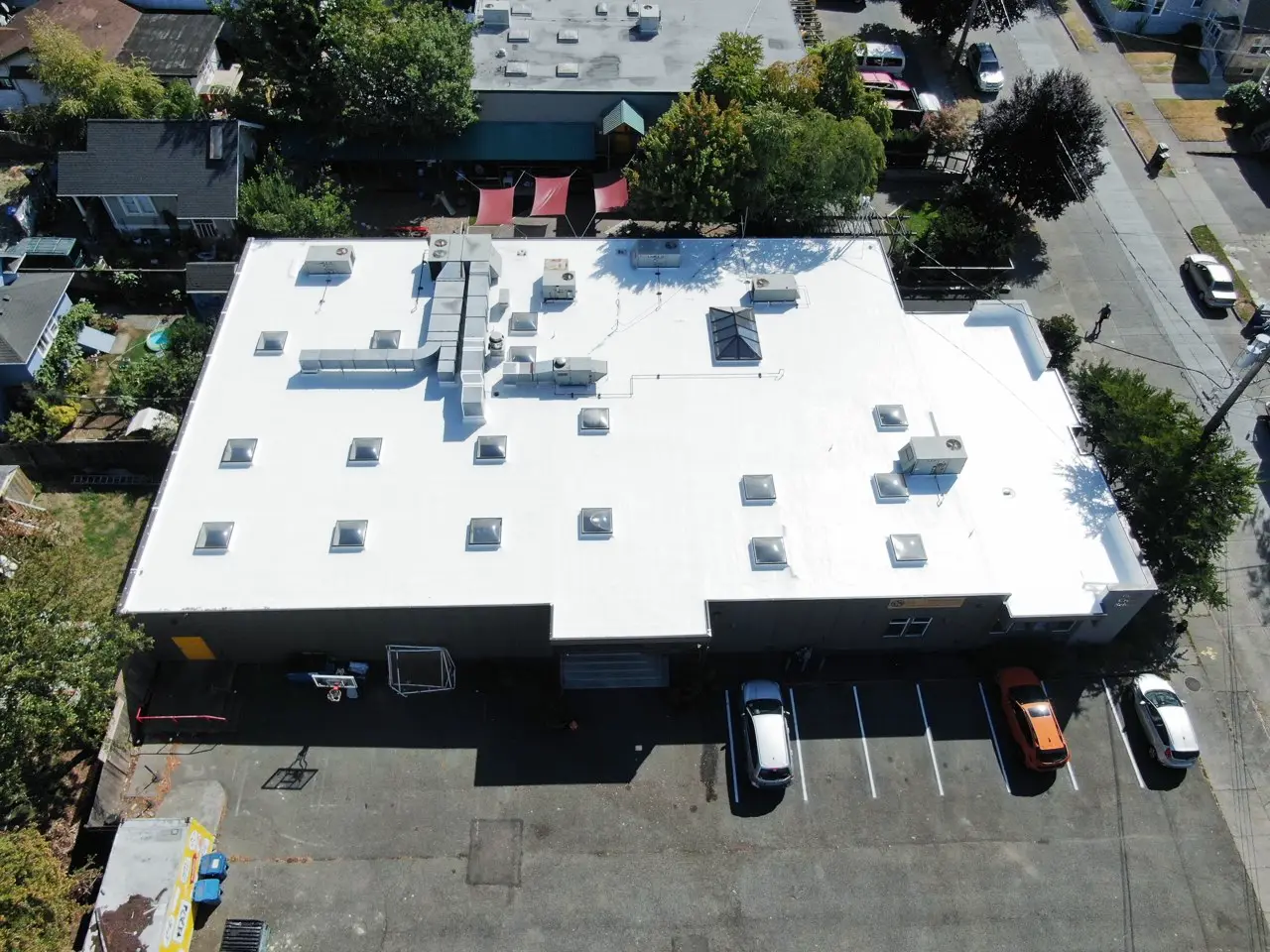
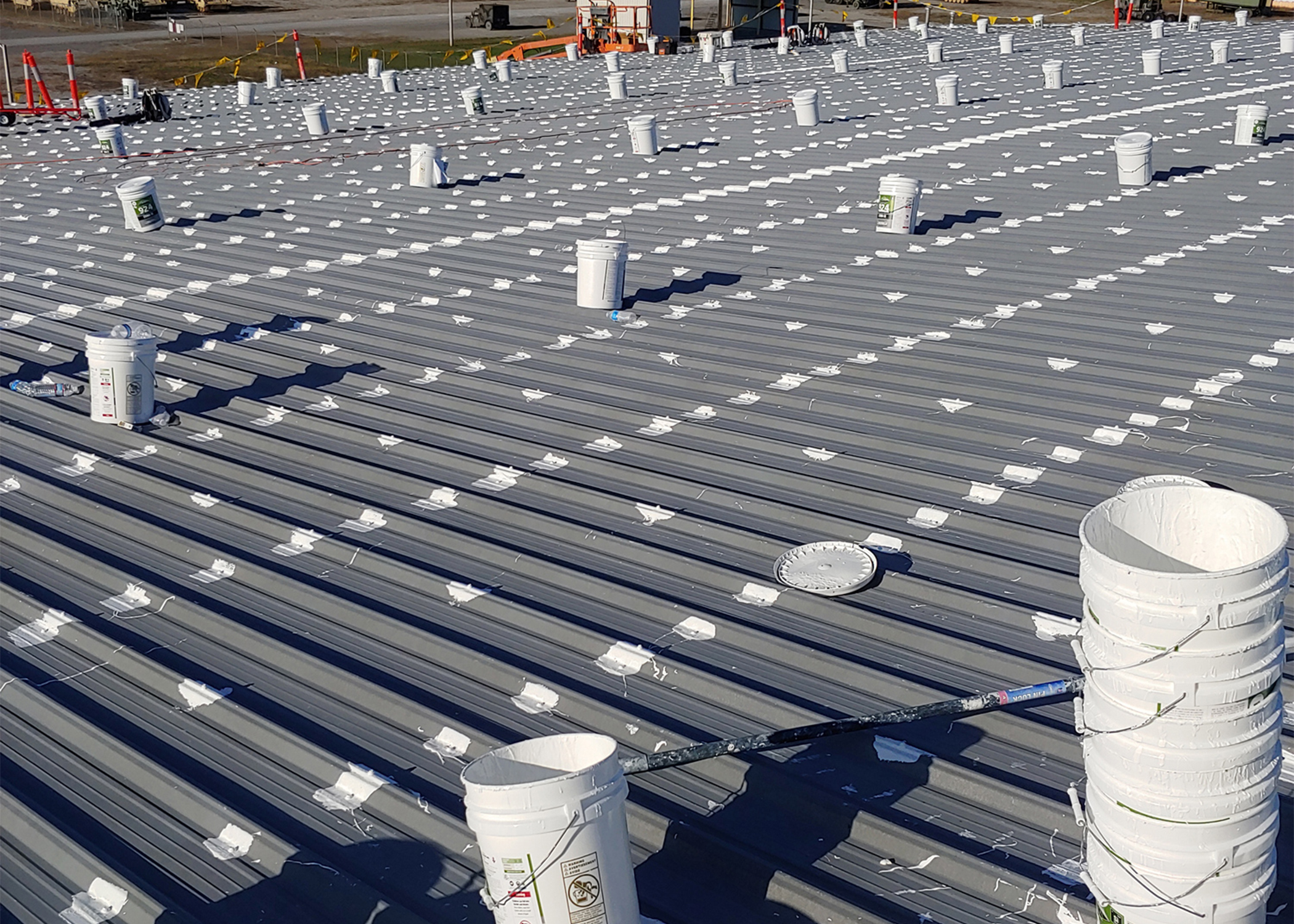
Commercial Roof Coatings is planned around adhesion, ponding water, membrane repairs, reflectivity goals, and warranty fit so pricing reflects the roof condition, not a generic service menu. The page explains what to check first, what can be maintained, and what needs a larger scope.
Roof Inspections is useful when roof-zone notes, photo evidence, wet-area indicators, and budget triggers need to be documented before crews, materials, and work windows are scheduled. The page is written for owners who need enough detail to act, not just a broad service label.
Storm Damage Roof Repair starts with active water entry, temporary dry-in needs, storm exposure, and closeout photos, then becomes a written scope the building team can approve without guessing. Owners get a more useful answer when the roof area, defect type, and work sequence are written down.
For Hail Damage Roof Repair Service, the roof walk looks at active water entry, temporary dry-in needs, storm exposure, and closeout photos before separating quick repairs from larger capital decisions. Photos, access notes, and next-step items are treated as part of the work rather than an afterthought.
Tornado Wind Uplift Roofing is planned around active water entry, temporary dry-in needs, storm exposure, and closeout photos so pricing reflects the roof condition, not a generic service menu. Owners get a more useful answer when the roof area, defect type, and work sequence are written down.
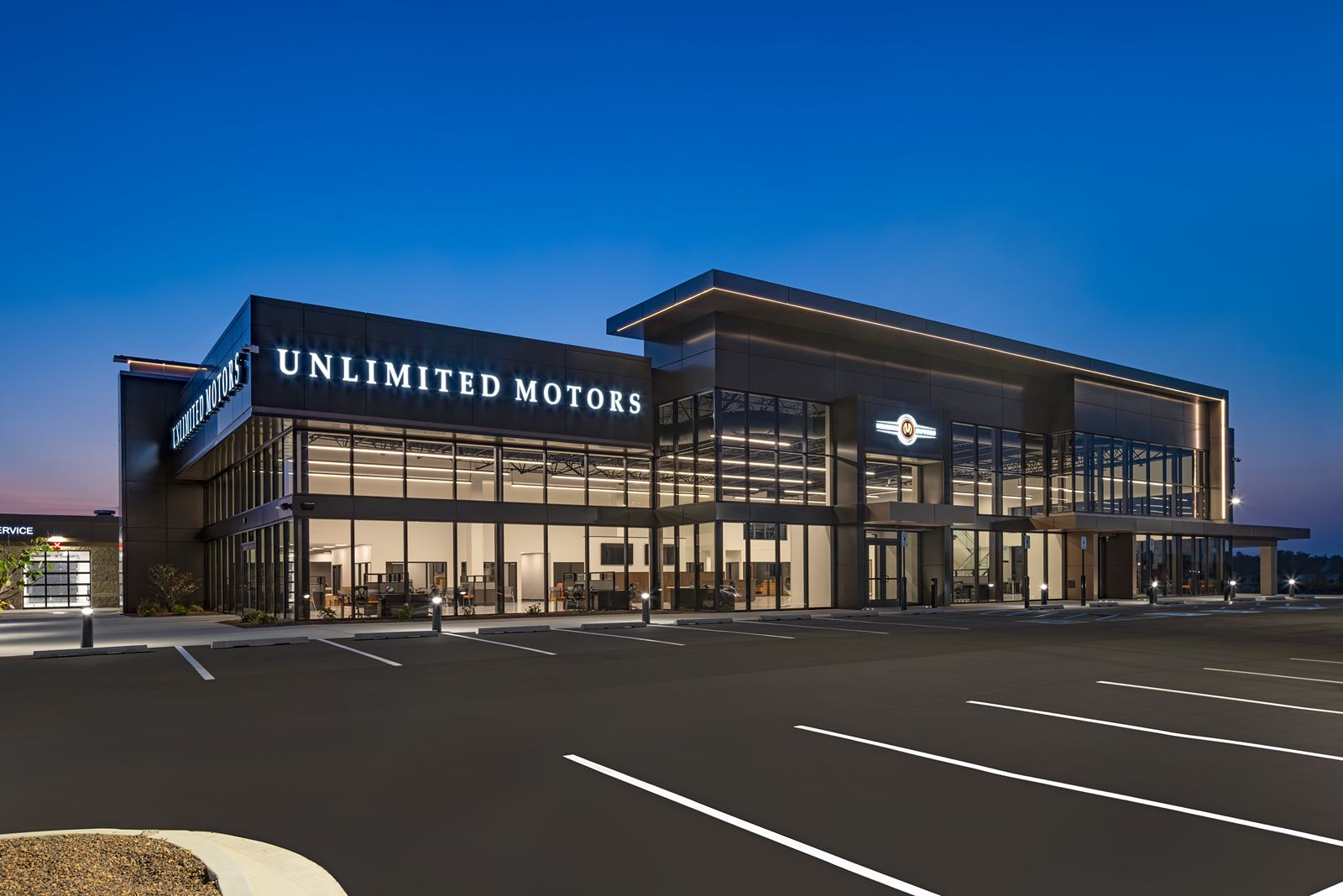
Auto Dealership Roofing is useful when owner priorities, roof traffic, known leak history, and practical next steps need to be documented before crews, materials, and work windows are scheduled. Owners get a more useful answer when the roof area, defect type, and work sequence are written down.
Built Up Roofing starts with membrane seams, attachment, drainage, rooftop traffic, and compatible repair materials, then becomes a written scope the building team can approve without guessing. This keeps the finished roof file useful for future inspections, claims, budgets, and vendor review.
For Capital Planning Support, the roof walk looks at building operations, roof age, access, membrane condition, and weather exposure before separating quick repairs from larger capital decisions. The result is a roof note the owner can use for scheduling, funding, and follow-up.
Church Roofing is planned around field documentation, repair urgency, material compatibility, and future maintenance so pricing reflects the roof condition, not a generic service menu. The recommendation is meant to help owners compare repair urgency against longer-term roof cost.
Condition Reporting is useful when roof-zone notes, photo evidence, wet-area indicators, and budget triggers need to be documented before crews, materials, and work windows are scheduled. The result is a roof note the owner can use for scheduling, funding, and follow-up.
Drain Cleaning Repair starts with drainage paths, rooftop equipment, edge metal, visible defects, and budget timing, then becomes a written scope the building team can approve without guessing. The result is a roof note the owner can use for scheduling, funding, and follow-up.
For Drone Roof Inspection, the roof walk looks at roof-zone notes, photo evidence, wet-area indicators, and budget triggers before separating quick repairs from larger capital decisions. The recommendation is meant to help owners compare repair urgency against longer-term roof cost.
EPDM Roofing is planned around membrane seams, attachment, drainage, rooftop traffic, and compatible repair materials so pricing reflects the roof condition, not a generic service menu. That creates a cleaner handoff between the first roof walk, the estimate, and the closeout record.
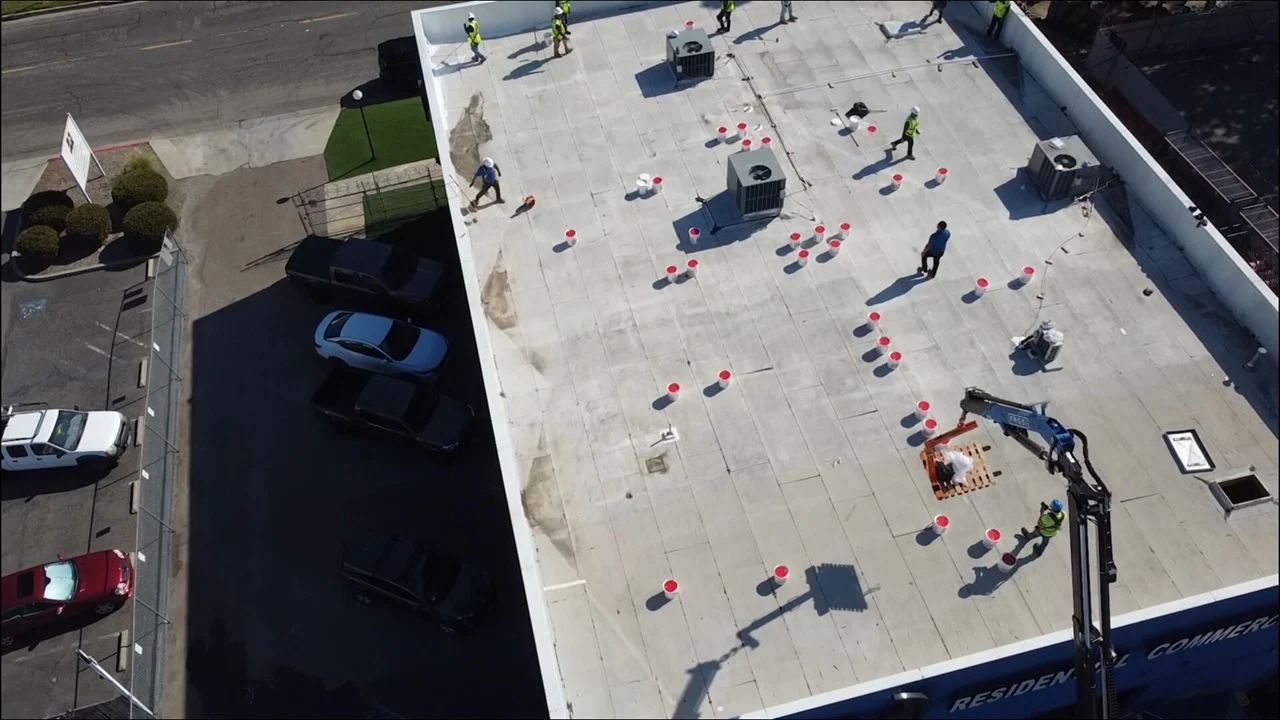
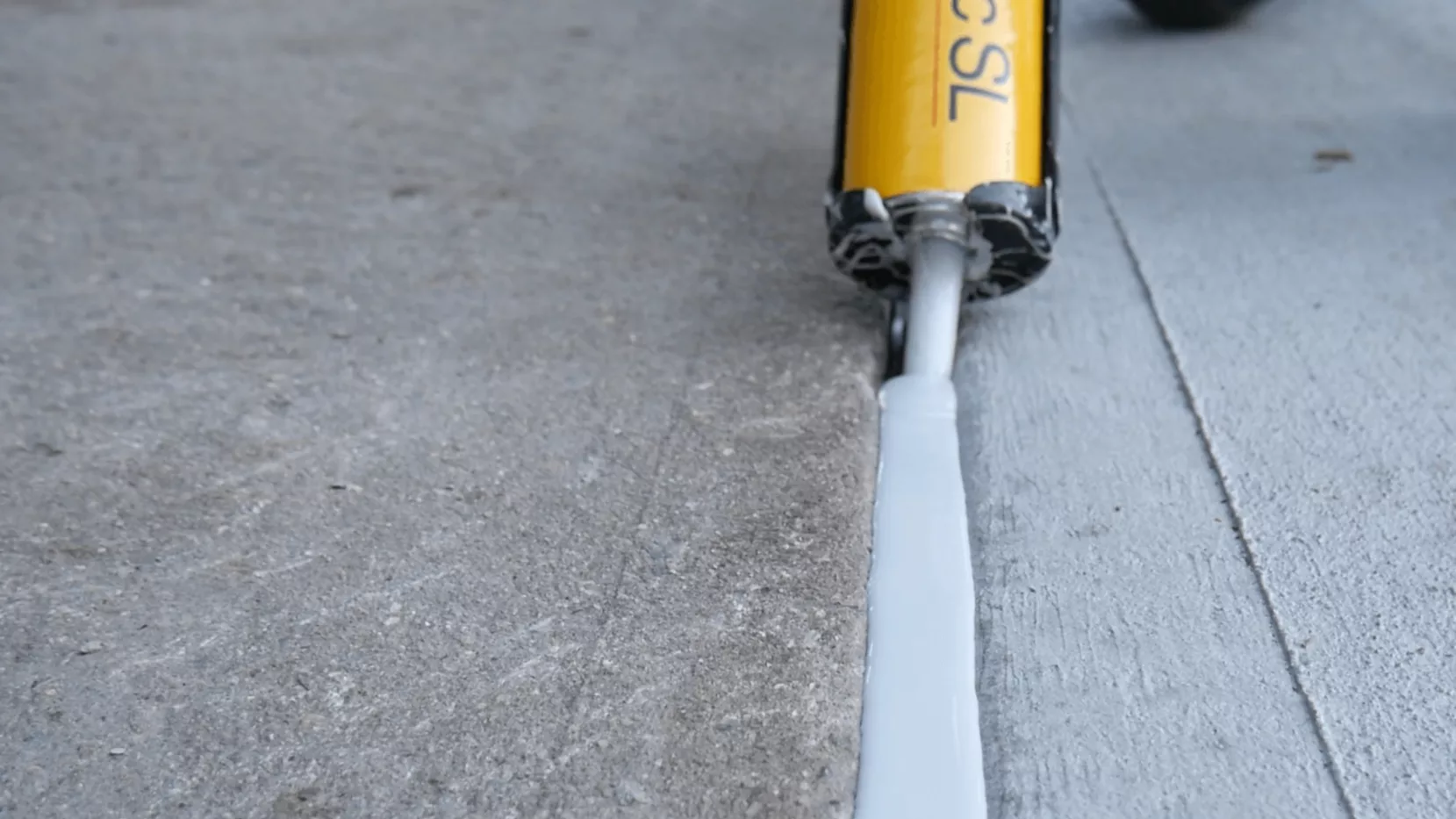
Expansion Joint Repair is useful when owner priorities, roof traffic, known leak history, and practical next steps need to be documented before crews, materials, and work windows are scheduled. That approach helps separate a roof symptom from the actual building risk underneath it.
Government Building Roofing starts with occupied space, access control, noise limits, documentation needs, and work-window planning, then becomes a written scope the building team can approve without guessing. That makes the next decision clearer whether the answer is repair, restoration, recover, or replacement.
For Healthcare Facility Roofing, the roof walk looks at occupied space, access control, noise limits, documentation needs, and work-window planning before separating quick repairs from larger capital decisions. Owners get a more useful answer when the roof area, defect type, and work sequence are written down.
Hotel Roofing is planned around tenant coordination, public entrances, edge details, rooftop units, and staged repair access so pricing reflects the roof condition, not a generic service menu. The scope can then be phased around tenants, weather, rooftop units, and budget timing.
Humidity Damage Roof Repair is useful when owner priorities, roof traffic, known leak history, and practical next steps need to be documented before crews, materials, and work windows are scheduled. That approach helps separate a roof symptom from the actual building risk underneath it.
Industrial Roofing starts with large roof sections, dock schedules, interior inventory, drainage runs, and equipment access, then becomes a written scope the building team can approve without guessing. The work is framed so an occupied property can keep operating while the roof issue is handled.
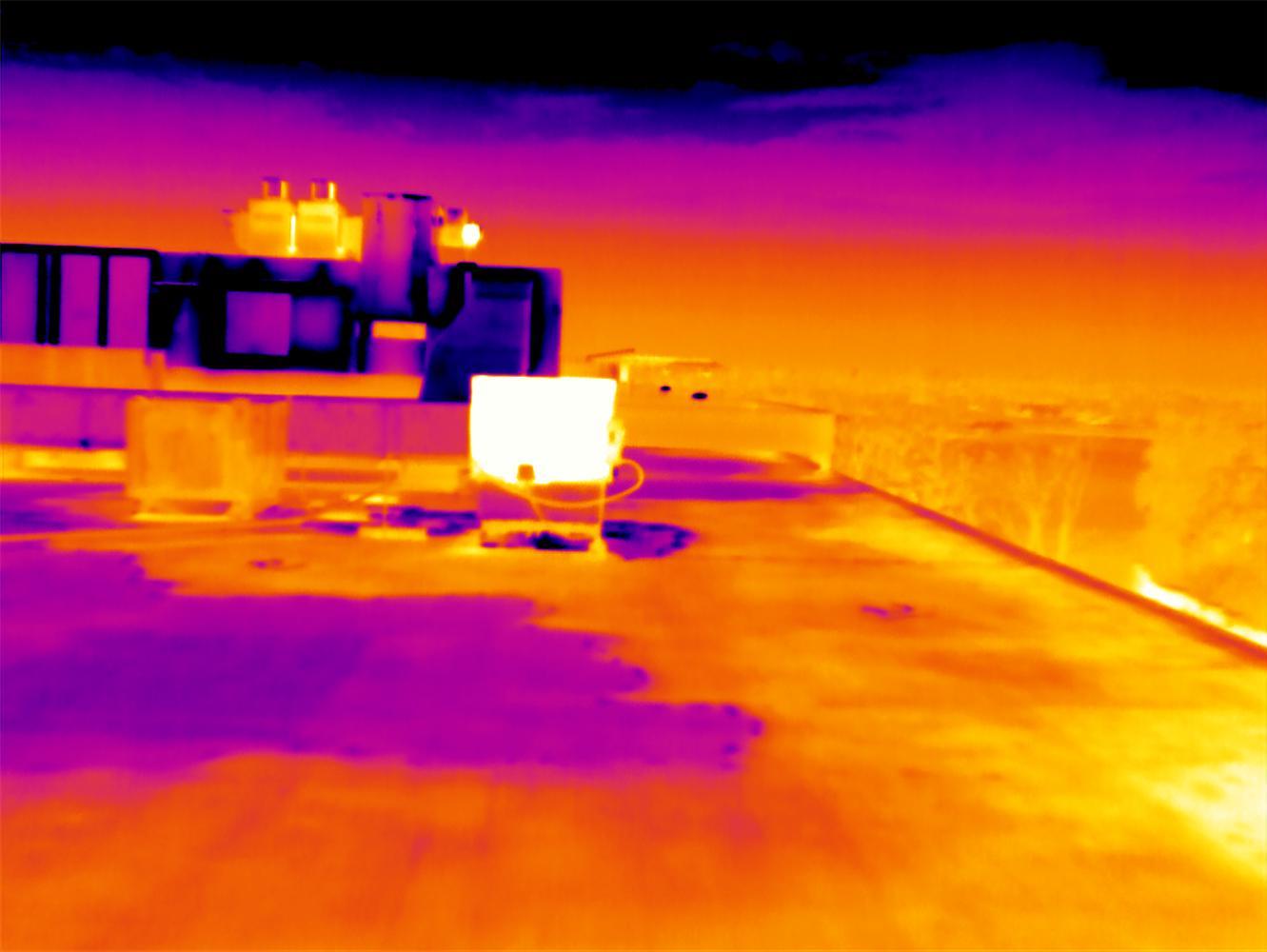
For Infrared Moisture Scanning, the roof walk looks at roof-zone notes, photo evidence, wet-area indicators, and budget triggers before separating quick repairs from larger capital decisions. The page explains what to check first, what can be maintained, and what needs a larger scope.
Manufacturing Facility Roofing is planned around large roof sections, dock schedules, interior inventory, drainage runs, and equipment access so pricing reflects the roof condition, not a generic service menu. That creates a cleaner handoff between the first roof walk, the estimate, and the closeout record.
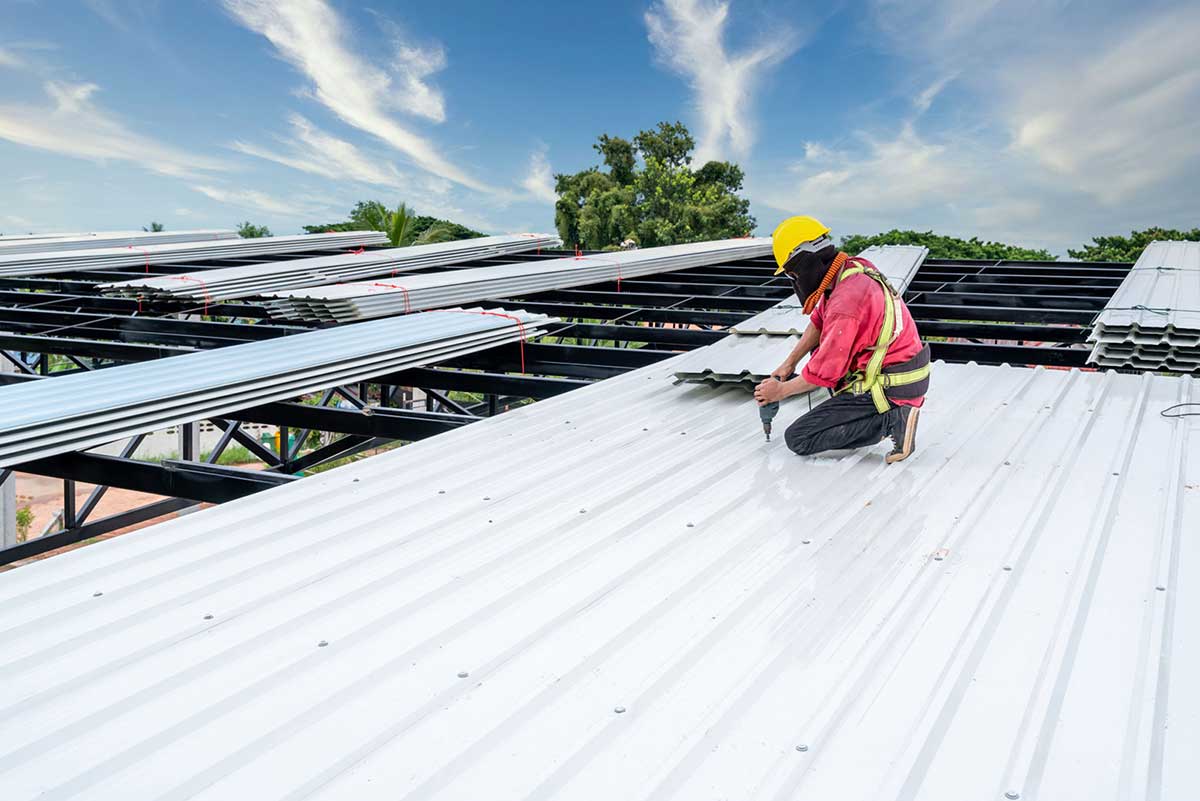
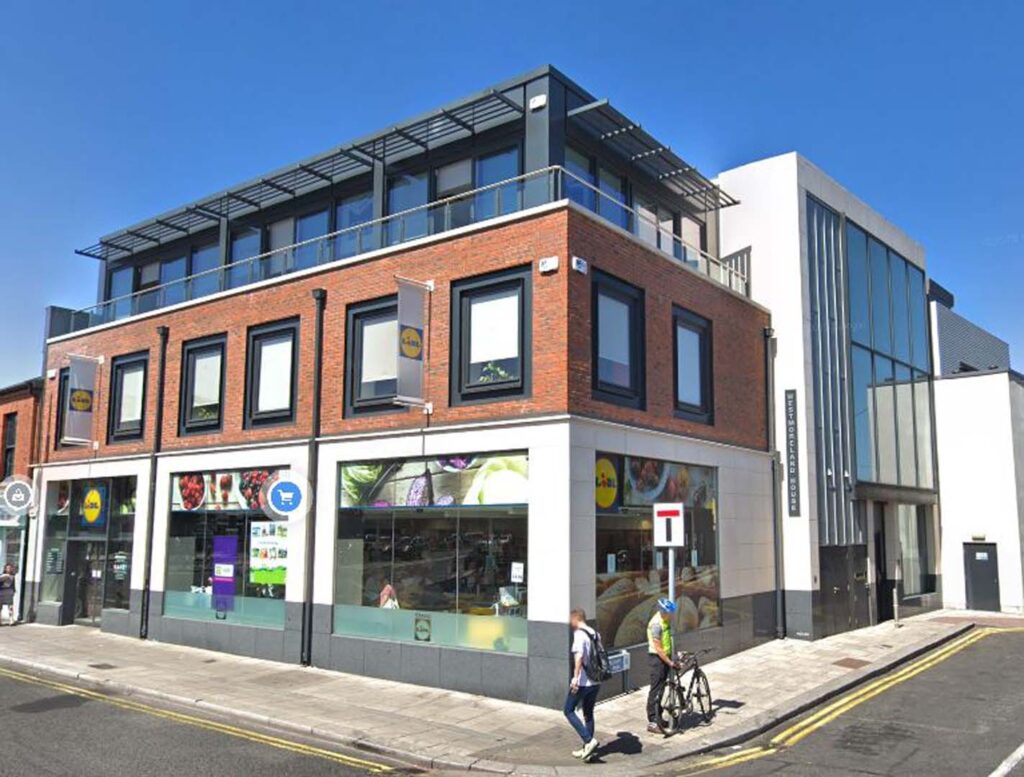
Mixed Use Roofing is useful when tenant coordination, public entrances, edge details, rooftop units, and staged repair access need to be documented before crews, materials, and work windows are scheduled. The work is framed so an occupied property can keep operating while the roof issue is handled.
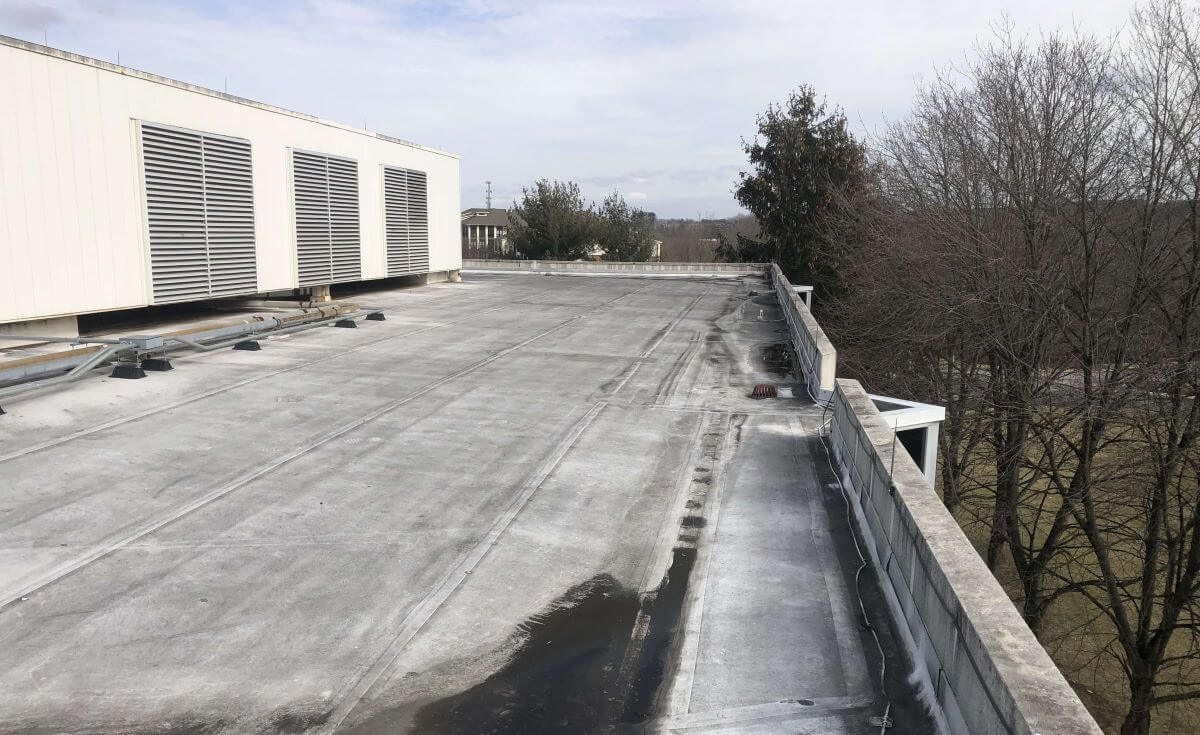
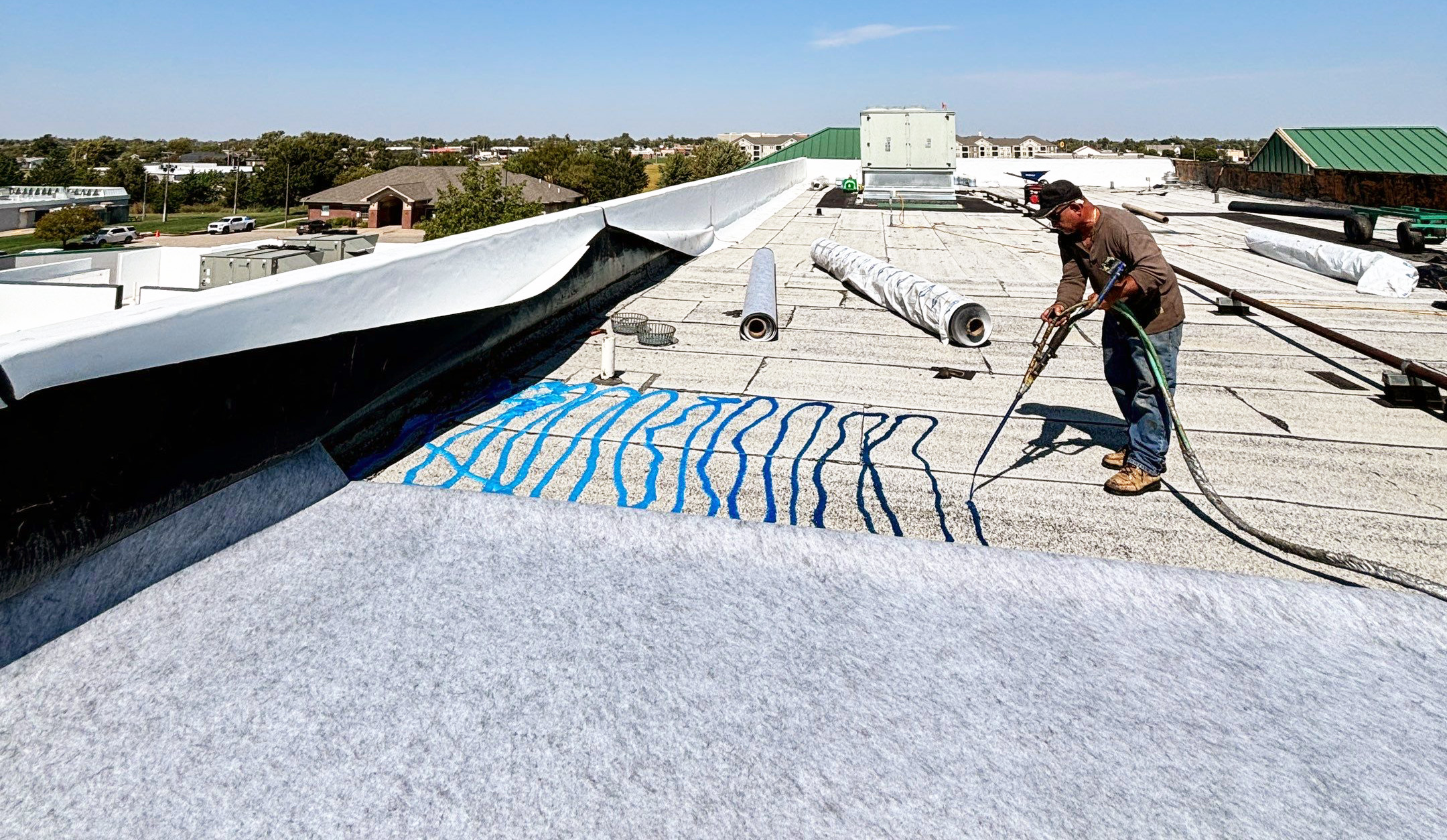
Modified Bitumen Roofing starts with membrane seams, attachment, drainage, rooftop traffic, and compatible repair materials, then becomes a written scope the building team can approve without guessing. This keeps the finished roof file useful for future inspections, claims, budgets, and vendor review.
For Multifamily Roofing, the roof walk looks at tenant coordination, public entrances, edge details, rooftop units, and staged repair access before separating quick repairs from larger capital decisions. The page is written for owners who need enough detail to act, not just a broad service label.
Occupied Building Reroofing is planned around tear-off risk, recover options, deck condition, phasing, and tenant disruption so pricing reflects the roof condition, not a generic service menu. That makes the next decision clearer whether the answer is repair, restoration, recover, or replacement.
Office Building Roofing is useful when tenant coordination, public entrances, edge details, rooftop units, and staged repair access need to be documented before crews, materials, and work windows are scheduled. That approach helps separate a roof symptom from the actual building risk underneath it.
Parapet Wall Repair starts with drainage paths, rooftop equipment, edge metal, visible defects, and budget timing, then becomes a written scope the building team can approve without guessing. The work is framed so an occupied property can keep operating while the roof issue is handled.
For Preventive Roof Maintenance, the roof walk looks at service intervals, roof-zone history, warranty records, and recurring leak prevention before separating quick repairs from larger capital decisions. Photos, access notes, and next-step items are treated as part of the work rather than an afterthought.
PVC Roofing is planned around membrane seams, attachment, drainage, rooftop traffic, and compatible repair materials so pricing reflects the roof condition, not a generic service menu. The page is written for owners who need enough detail to act, not just a broad service label.
Restaurant Roofing is useful when grease exhaust, kitchen penetrations, odor control, business hours, and weather-tight staging need to be documented before crews, materials, and work windows are scheduled. The work is framed so an occupied property can keep operating while the roof issue is handled.
Retail Roofing starts with tenant coordination, public entrances, edge details, rooftop units, and staged repair access, then becomes a written scope the building team can approve without guessing. The result is a roof note the owner can use for scheduling, funding, and follow-up.
For Roof Asset Management Program, the roof walk looks at service intervals, roof-zone history, warranty records, and recurring leak prevention before separating quick repairs from larger capital decisions. The recommendation is meant to help owners compare repair urgency against longer-term roof cost.
Roof Recover Overlay is planned around tear-off risk, recover options, deck condition, phasing, and tenant disruption so pricing reflects the roof condition, not a generic service menu. The work is framed so an occupied property can keep operating while the roof issue is handled.
Roof Recover Systems is useful when tear-off risk, recover options, deck condition, phasing, and tenant disruption need to be documented before crews, materials, and work windows are scheduled. The page is written for owners who need enough detail to act, not just a broad service label.
Roof Replacement Planning starts with tear-off risk, recover options, deck condition, phasing, and tenant disruption, then becomes a written scope the building team can approve without guessing. Photos, access notes, and next-step items are treated as part of the work rather than an afterthought.
For School Roofing, the roof walk looks at occupied space, access control, noise limits, documentation needs, and work-window planning before separating quick repairs from larger capital decisions. That keeps the conversation tied to field conditions instead of a canned recommendation.
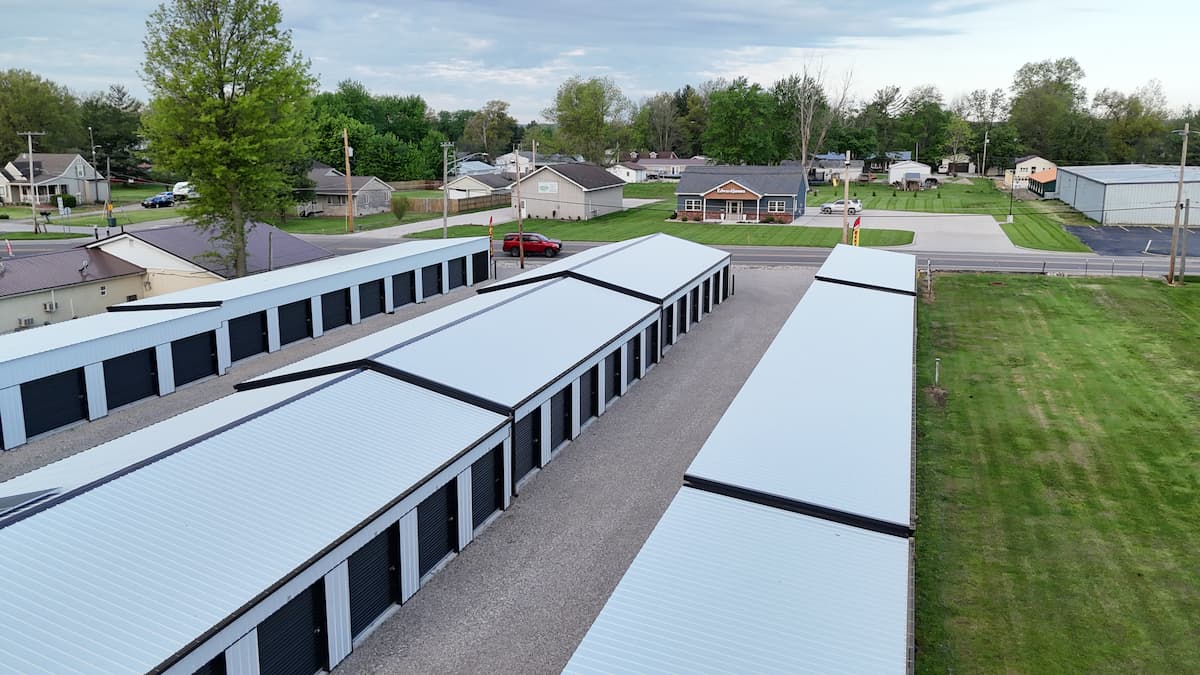
Self Storage Roofing is planned around field documentation, repair urgency, material compatibility, and future maintenance so pricing reflects the roof condition, not a generic service menu. The scope can then be phased around tenants, weather, rooftop units, and budget timing.
Silicone Roof Coating is useful when adhesion, ponding water, membrane repairs, reflectivity goals, and warranty fit need to be documented before crews, materials, and work windows are scheduled. That makes the next decision clearer whether the answer is repair, restoration, recover, or replacement.
Single Ply Roofing starts with drainage paths, rooftop equipment, edge metal, visible defects, and budget timing, then becomes a written scope the building team can approve without guessing. That makes the next decision clearer whether the answer is repair, restoration, recover, or replacement.
For Skylight Repair, the roof walk looks at building operations, roof age, access, membrane condition, and weather exposure before separating quick repairs from larger capital decisions. This keeps the finished roof file useful for future inspections, claims, budgets, and vendor review.
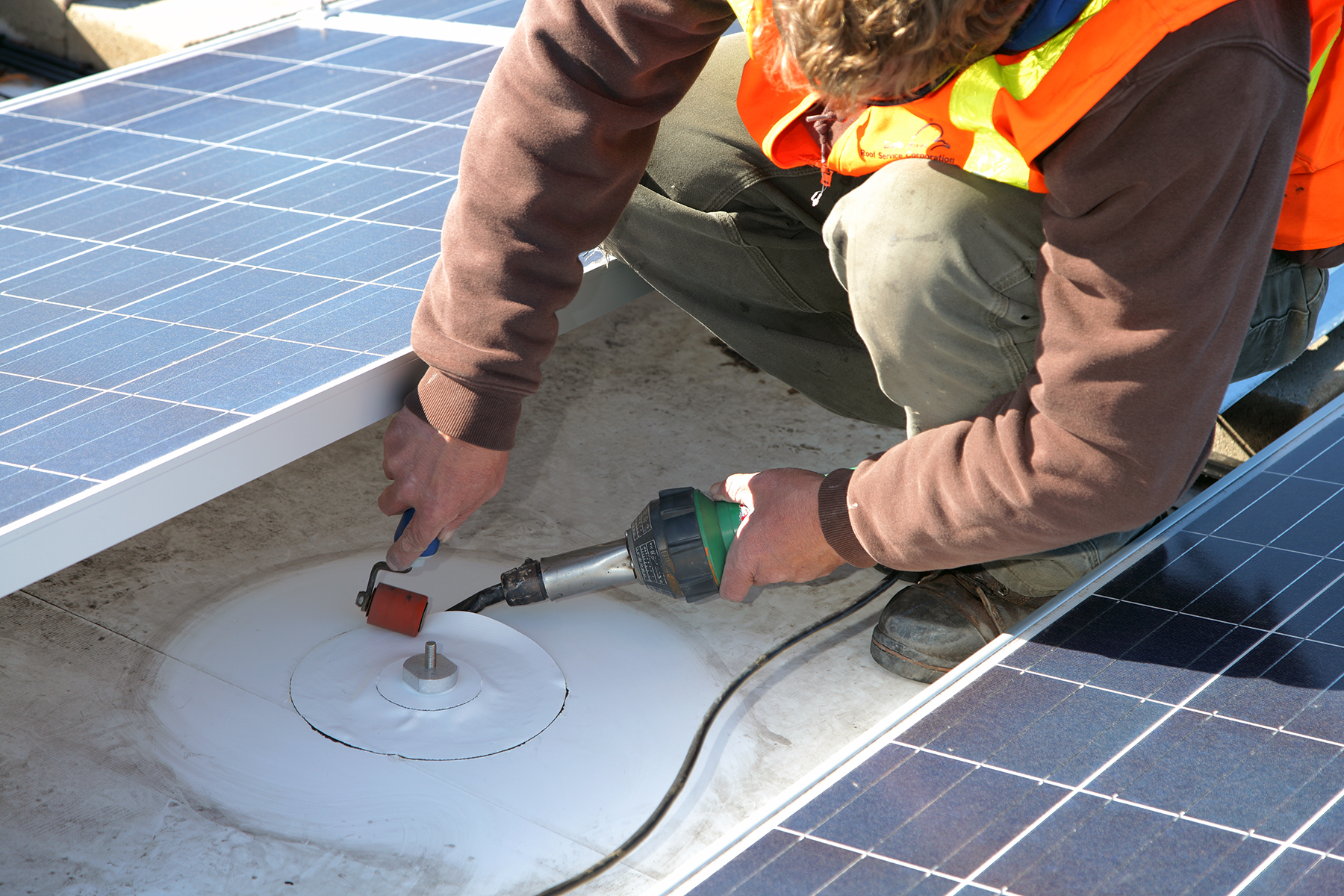
Solar Roof Integration is planned around field documentation, repair urgency, material compatibility, and future maintenance so pricing reflects the roof condition, not a generic service menu. It helps the building team understand both the immediate fix and the next maintenance trigger.
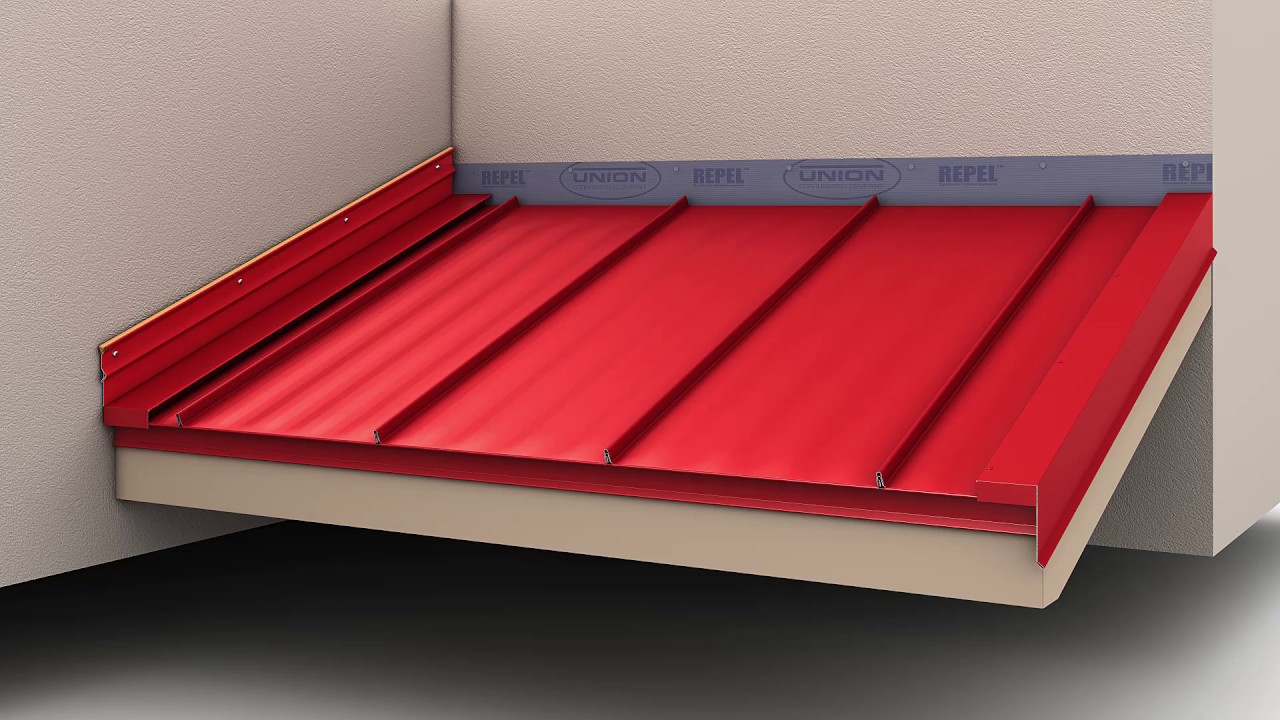
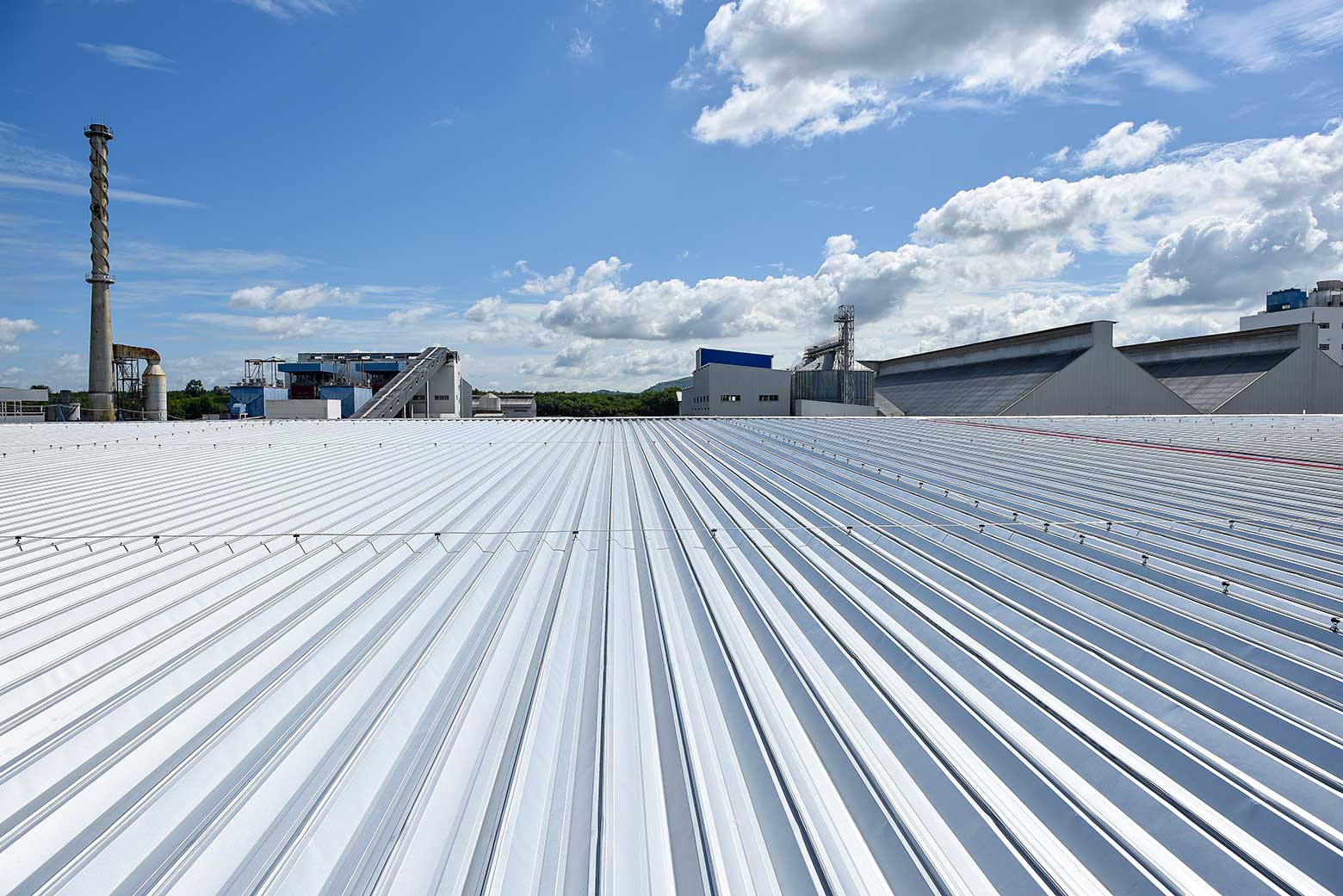
Standing Seam Metal Roofing is useful when membrane seams, attachment, drainage, rooftop traffic, and compatible repair materials need to be documented before crews, materials, and work windows are scheduled. The page explains what to check first, what can be maintained, and what needs a larger scope.
University Campus Roofing starts with drainage paths, rooftop equipment, edge metal, visible defects, and budget timing, then becomes a written scope the building team can approve without guessing. It gives facility teams a clearer path before they approve access, materials, or shutdown windows.
For Warehouse Roofing, the roof walk looks at large roof sections, dock schedules, interior inventory, drainage runs, and equipment access before separating quick repairs from larger capital decisions. Owners get a more useful answer when the roof area, defect type, and work sequence are written down.