
Questions Owners Ask
What roofing system holds up best to Oklahoma's severe hail storms?
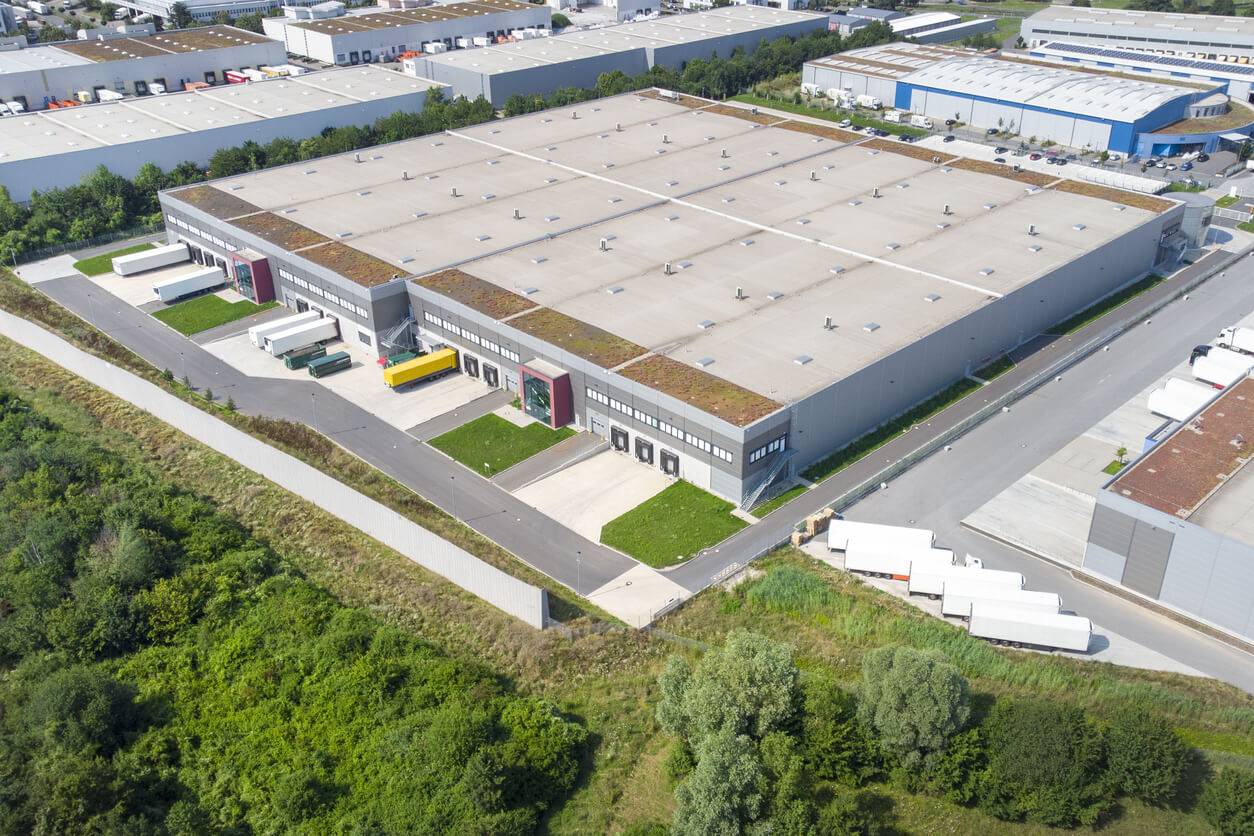
For Oklahoma City industrial facilities, we typically recommend either a 60-mil or heavier thermoplastic membrane (TPO or PVC) for low-slope applications, or a granulated SBS modified bitumen cap sheet for built-up assemblies. Both provide better hail resistance than standard 45-mil single-ply systems. For steep-slope or metal roofing applications, Class 4 impact-rated metal panels provide the highest available hail resistance rating and may qualify your facility for insurance premium reductions. During your roofing system selection, we can provide product data sheets showing FM or UL impact resistance ratings and help you coordinate with your insurance carrier about any available credit for impact-resistant systems.
How do you handle roofing projects at or near Tinker Air Force Base?
Work at Tinker and in secure defense-contractor facilities requires coordination with base security for access credentials, compliance with base-specific contractor requirements, and often a security review of the workforce that will be on site. We have experience navigating these requirements and maintain a workforce management process that supports background check compliance. For private contractor facilities in the Tinker corridor, we work within whatever security and access protocols the facility requires. Project documentation is handled with appropriate confidentiality for customers operating in sensitive environments.
Can my industrial roof survive a direct tornado impact?
No roofing system is designed to withstand a direct hit from a significant tornado, the forces involved exceed anything a roof assembly is engineered for. However, a properly designed and installed roof system substantially reduces damage in the wind events that surround tornado paths and in F0/F1 events. We engineer our industrial roofs to meet FM 1-90 wind uplift standards, which provide meaningful protection in the severe straight-line winds and lower-category tornado events common in Oklahoma City. After any significant weather event, an immediate inspection is the most important step, catching and repairing minor wind damage before the next rain prevents secondary water damage that often exceeds the value of the initial storm damage.
How do I evaluate whether to repair or replace my aging industrial roof in Oklahoma City?
The key factors are the extent of moisture saturation in the existing insulation, the number and complexity of existing defects, and the remaining service life of the existing membrane. An infrared moisture survey is the most efficient way to quantify how much of your roof's insulation field has been compromised by water intrusion. If wet insulation covers more than 25% of the roof area, full replacement almost always makes better economic sense than a repair campaign. Below that threshold, a targeted repair program combined with a coating application may extend service life by a decade at significantly lower cost than replacement. We provide an objective written recommendation after completing our assessment, with cost projections for both approaches.
What drainage design is appropriate for Oklahoma's heavy convective rainfall events?
Oklahoma City's thunderstorm rainfall intensity, often 3 to 4 inches per hour during peak events, requires drainage capacity that exceeds what many code-minimum designs provide. We size drains and scuppers using local intensity-duration-frequency data and design for the 100-year storm event rather than the code-minimum standard. We also require a secondary overflow drainage system at every project, either overflow scuppers or secondary drain leaders, to ensure that even if primary drains become blocked, water cannot accumulate to levels that stress the roof structure. Emergency overflow protection is one of the most important and most frequently neglected aspects of industrial roof design.
Frequently asked questions
How long does a typical Oklahoma City commercial roof replacement take?
For a 50,000 sq ft single-story commercial building with no deck replacement: about 3-4 weeks of production from tear-off through closeout, assuming weather cooperation. Spring storm season (March-June) adds time because we stage around weather windows and maintain same-day dry-in discipline. Deck replacement or major parapet work adds time proportionally. We give a written production schedule before contract signing.
Will my building be exposed to rain during the replacement?
No. We tear off only what we can dry-in the same day. In Oklahoma's spring storm season this discipline is non-negotiable, the metro averages significant rain events roughly every 5-7 days from March through June. Each section gets temporary dry-in at end of day regardless of current weather forecast.
Do you specify systems that will hold up to tornado-track hail?
Yes. Every replacement scope we write includes an impact-rated cover board (HD polyiso or HD gypsum depending on membrane and application) that qualifies for FM 4470 Class 1 or UL 2218 Class 4 hail resistance. We document the rating and provide the certification that supports insurance discount qualification. Standard-density insulation without a rated cover board does not qualify for these ratings.
Are you licensed to work in Oklahoma City?
Oklahoma requires a commercial roofing contractor license through the Oklahoma Construction Industries Board (CIB). We carry active CIB licensure, general liability, workers' compensation, and umbrella coverage at limits that support every commercial building we work on. Certificates of insurance are provided on request. We pull City of Oklahoma City building permits for all replacement work.
Next StepGet a written replacement scope for your OKC building.
Our project managers will walk the roof, pull moisture cores where the recover-vs-replace decision depends on it, and deliver a written scope detailed enough to bid against, including wind-uplift design and hail-resistance specification.
Request a Roof Report →
Start with a roof walk.
Send the building address, roof concern, and timing. We will help define the next step.
Contact Us