
Penetration Sealing, The Non-Negotiable Detail
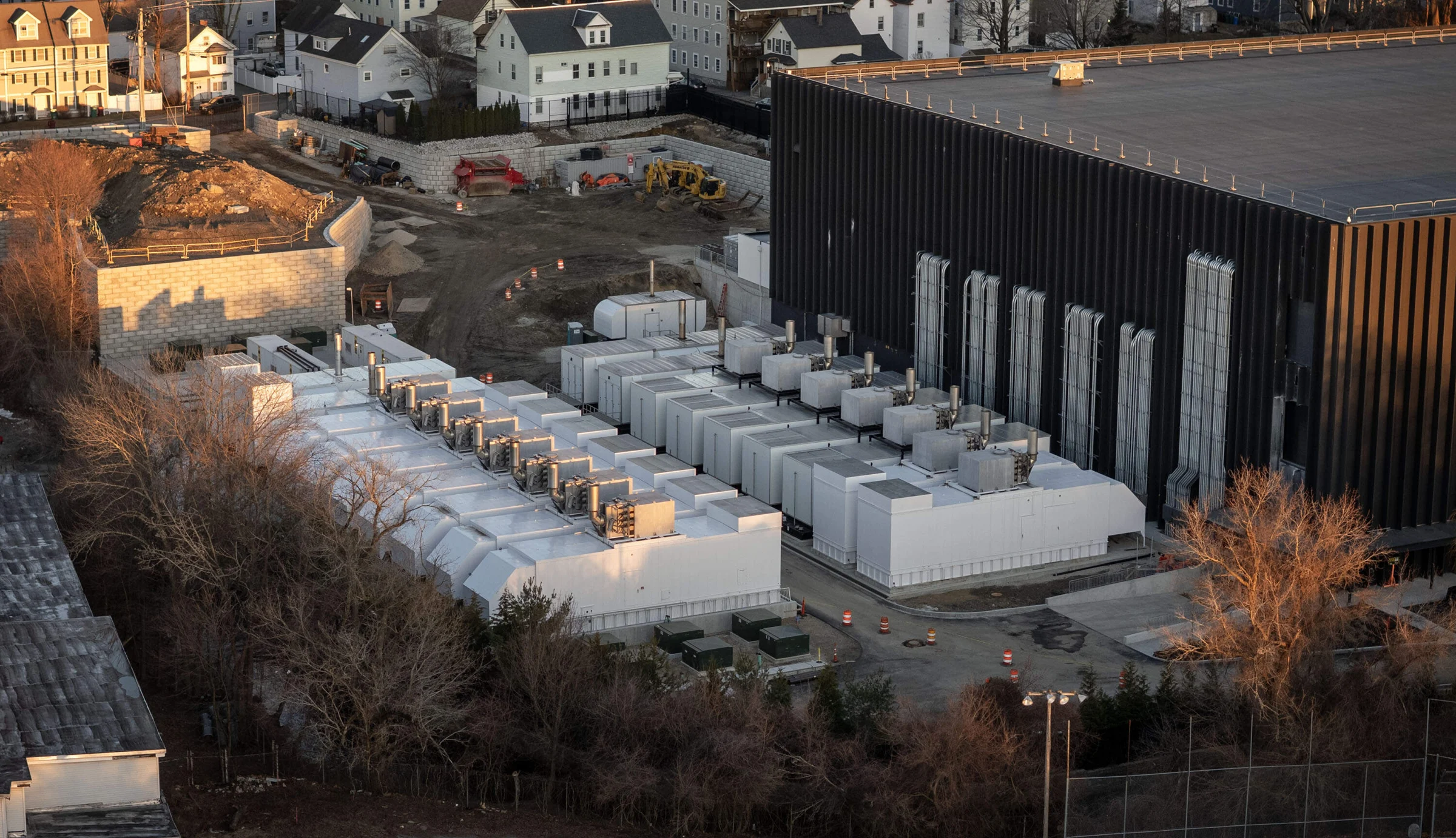
Data center roofs carry more penetrations per square foot than almost any other building type. Conduit bundles, fiber pathways, generator Each penetration is a potential water intrusion point and a potential fiber or conduit damage event if the contractor is not paying close attention to what is under each pitch pan.
We inventory every penetration before production begins, photograph, measure, and log each one against a roof zone diagram that the facility manager approves before we start work. Every penetration gets individual attention: existing flashing stripped to the deck, deck treated if corrosion or moisture damage is found, new curb or pitch-pan flashing installed to manufacturer specification, and a final photograph uploaded to the project log the same day. Fiber conduit penetrations get a secondary water stop inside the conduit bore, because a standard pitch pan seals only the annular gap around the conduit, not the bore itself.
Oklahoma City's energy-sector data facilities have often accumulated decades of penetration add-ons as IT and communications infrastructure has been layered onto buildings originally built for other purposes. Some of these buildings carry fifty to one hundred penetrations with field-fabricated flashings that were never built to any published specification. We do a penetration audit before presenting a roof scope on these buildings so the owner understands the full scope of what needs to be cleaned up, not just the membrane replacement.
Cooling System Coordination
Cooling towers on OKC data center roofs run continuously during Oklahoma summer, when outdoor dry-bulb temperatures routinely exceed 100°F and data hall cooling loads are at their annual peak. Most data centers do not have meaningful excess cooling capacity during July and August, the towers are running near their ceiling. That means roofing work around cooling tower bases, supply and return line penetrations, and CRAC unit housings has to happen during the narrow windows when tower output is lowest: early morning in spring and fall, or during scheduled maintenance shutdowns that the facility has planned months in advance.
We ask for the facility's maintenance schedule before we finalize the production sequence on any data center project. If a cooling tower is scheduled for its annual inspection in October, that is the window when we work the base flashing and the area of roof directly around the tower. We build the rest of the production sequence around that anchor point. This requires the facility manager to trust that we will be ready when the window opens, which is why our pre-construction documentation and mobilization timeline is written into the contract, not assumed.
Change Management and Closeout Documentation
Enterprise and colocation data centers run formal change management processes for any work that could affect infrastructure. A roofing contractor working on an active data center is a change that gets logged, reviewed by the change advisory board, and approved before work begins. We have been through this process at Oklahoma City facilities and we understand what documentation the CAB requires: scope description, risk assessment, rollback plan for any penetration work that encounters an unexpected condition, and the after-hours contact chain.
At closeout, we deliver the standard warranty document and zone diagram plus a penetration manifest specific to data center requirements, every penetration on the roof mapped to the system it serves, the flashing detail installed, and the final photograph. That document becomes part of the facility's infrastructure record. Every future contractor who touches the roof is then accountable to an accurate inventory of what is under each pitch pan, rather than guessing.
Frequently asked questions
Can you work on a live OKC data center without interrupting cooling systems?
Yes, but it requires the facility manager's active cooperation on the production schedule. We build our sequence around the cooling system's maintenance windows, work cooling-adjacent penetrations during planned low-load periods, and do not unilaterally shut down or disturb any mechanical penetration without the facility's written approval for that specific action on that specific date. The production schedule we submit at contract signing reflects those constraints.
How do you handle fiber conduit penetrations through the roof?
We log every fiber conduit penetration before production begins. Each one gets stripped to the deck, a properly-sized pitch pan or curb flashing installed to manufacturer specification, and a secondary water stop placed inside the conduit bore. We photograph the completed detail and include it in the penetration manifest delivered at closeout. Our crews do not route equipment or tools across conduit bundles on the roof surface.
What happens if there is a water intrusion event during the project?
We respond immediately. The project manager on duty carries the facility manager's direct contact for any active data center project. If a moisture event occurs during production, we stop work in that zone, install emergency dry-in, notify the facility manager within the hour, and produce a written incident report within 24 hours documenting the cause, the response action, and the repair scope. We do not wait for the next morning's production meeting.
Do you have experience working with Oklahoma City energy-sector data facilities?
Yes. Devon Energy, Continental Resources, and OG&E each maintain data center or network operations center infrastructure in the OKC metro. We understand the additional security coordination requirements and infrastructure sensitivity of working on facilities tied to energy operations and utility systems. Our pre-construction documentation and change-management submissions are built to
Next StepData center roof scope in the OKC metro?
We will walk the roof, log every penetration, and produce a scope that accounts for your cooling system constraints and change-management requirements before we propose a production schedule.
Schedule a Data Center Roof Walk →
Start with a roof walk.
Send the building address, roof concern, and timing. We will help define the next step.
Contact Us