
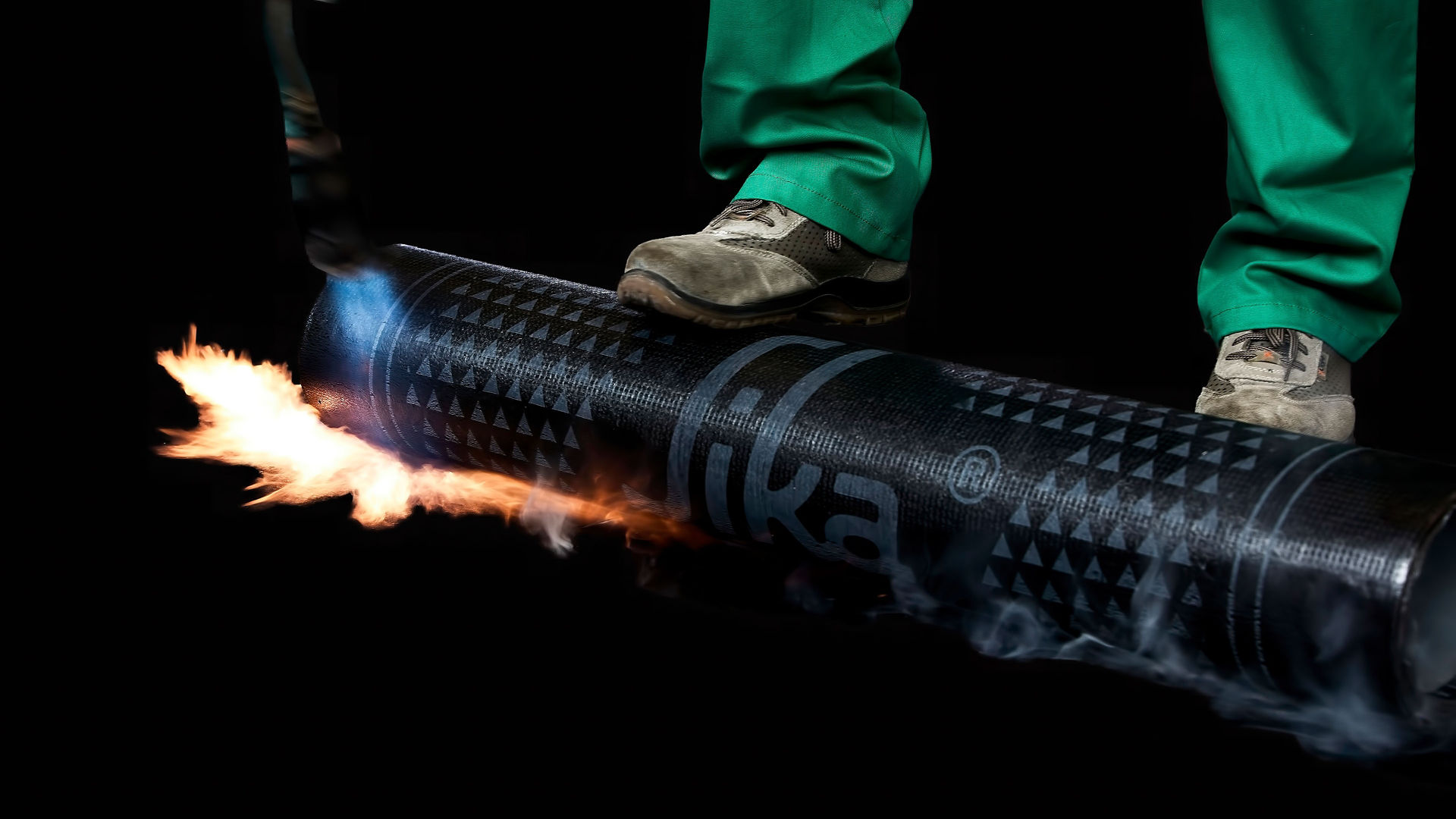
Torch-Down vs Self-Adhered Modified Bitumen for OKC Buildings
Torch-applied modified bitumen is installed by heating the back of the membrane with a propane torch and embedding it into the substrate or the previous ply. The heat-welded bond is reliable and well-understood, torch-applied SBS and APP systems have a multi-decade performance record on OKC commercial buildings. The trade-off is fire risk during installation, which requires hot-work permits from the City of Oklahoma City and specific precautions in occupied buildings, hospitals, and facilities where open-flame work creates operational complications.
Self-adhered modified bitumen uses factory-applied adhesive on the back of the sheet, activated by heat or mechanical pressure during installation. Self-adhered systems eliminate the open-flame risk and are the appropriate specification for OKC medical campuses (INTEGRIS Baptist Medical Center, Mercy NW, OU Medical Center), occupied office buildings during normal business hours, and any facility where hot-work permits trigger operational shutdowns.
Wind-Uplift Performance of Mod-Bit Systems in Tornado Alley
Modified bitumen systems rely on full adhesion to the substrate for wind-uplift resistance, unlike mechanically attached single-ply, there are no discrete fasteners creating point loads. That adhesion depends on the quality of the mop application or torch weld and on the condition of the substrate. On OKC buildings, we require a full core pull and substrate assessment before any mod-bit recover or new installation because the adhesion failure mode in a wind event, progressive peeling from the perimeter inward, is difficult to see until it is already severe.
For OKC buildings where the wind-uplift calculation under ASCE 7-22 calls for high uplift resistance at corners and perimeters, open-terrain sites, taller buildings, buildings near Will Rogers World Airport, we specify supplemental mechanical fastening at the perimeter and corner zones in addition to the adhered field. That hybrid approach is documented in the wind-uplift calculation and in the project closeout file.
Modified Bitumen vs Single-Ply Conversion, Honest Comparison
When an OKC building with existing modified bitumen is approaching its replacement cycle, the recover-versus-convert question deserves an honest answer. Modified bitumen recover, installing a new cap sheet over an existing sound base ply, is the lower-cost option when the existing base ply is dry on core pulls and still adhered. The result is a three-ply system with meaningful redundancy and a 10 to 15-year extension of the roof asset.
Single-ply conversion, full tear-off of the existing mod-bit and installation of TPO or EPDM, delivers a 20-year NDL warranty path that mod-bit manufacturers generally do not match. For OKC buildings whose owners are planning a long hold period and want warranty documentation that survives lender due diligence, the conversion is often the better long-term financial decision even at higher upfront cost. We model both options for each building and present the comparison.
Frequently asked questions
Is modified bitumen still a good specification for OKC commercial buildings?
Yes, on the right buildings. Mid-rise and multi-story buildings in downtown OKC where the multi-ply redundancy is valued, buildings with high rooftop traffic where surface damage tolerance matters, and buildings where the existing base ply is sound and a recover is the most cost-effective extension of the roof asset. We do not push mod-bit on buildings where single-ply would perform better or carry a better warranty path.
How does modified bitumen handle Oklahoma hail?
Better than single-ply in most scenarios. The granulated cap sheet absorbs and deflects hail energy, and the multi-ply construction means a stone that damages the cap sheet does not immediately create a leak. The 2024 season produced stones that punched single-ply membranes without cover boards but left properly installed two-ply mod-bit systems with surface damage only. Our mod-bit specifications include granulated SBS cap sheets rated for impact resistance.
Can I recover my existing OKC modified bitumen roof?
If the existing base ply is dry on moisture core pulls and still well-adhered to the substrate, a recover with a new granulated cap sheet is a sound option. We pull cores at five to ten locations and assess adhesion before recommending recover versus replacement. If the existing ply is wet or de-laminating in significant areas, full replacement is the honest scope.
Next StepScoping modified bitumen work on an OKC building?
We will pull cores, assess adhesion, and produce a written scope, recover with a new cap sheet or full single-ply conversion, with a warranty path and installed-cost comparison for both options.
Request a Mod-Bit Assessment →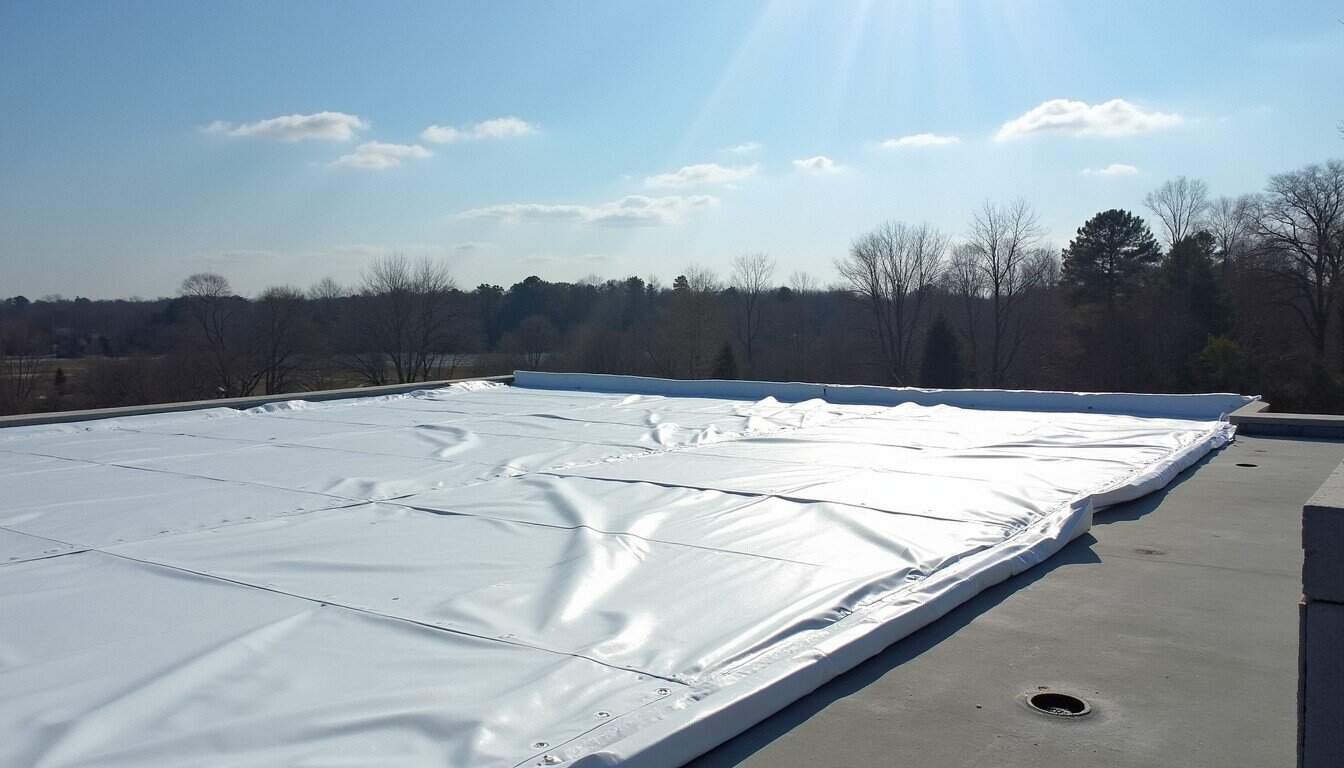
Start with a roof walk.
Send the building address, roof concern, and timing. We will help define the next step.
Contact Us