
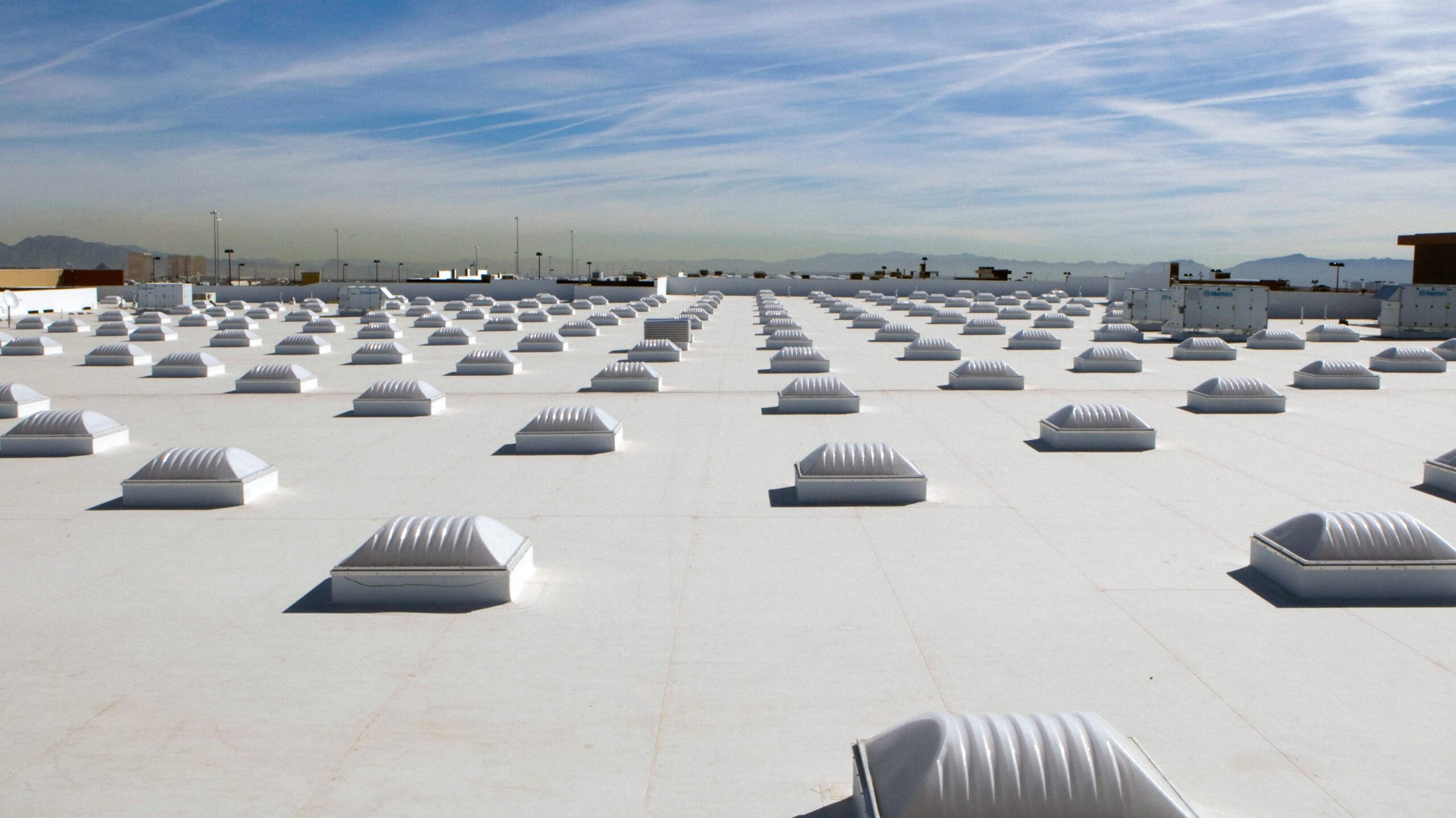
OKC Summer Surface Temperatures, What the Data Shows
We have measured rooftop surface temperatures on OKC commercial buildings using contact thermometers during July and August inspection walks. Black EPDM membrane on a south-facing field on a clear July day at 2 PM: 173°F in our measurements. Standard 60-mil white TPO on the same building orientation and date: 97°F. The difference, 76°F of surface temperature, is what a cool roof system delivers in the Oklahoma summer climate. That is not a manufacturer claim; it is a measurement on actual OKC rooftops.
For the typical single-story OKC commercial building with 50,000 square feet of flat roof and 50,000 square feet of conditioned floor area, that surface temperature reduction produces a real reduction in peak cooling load that is visible in monthly electricity bills from June through September. The building's HVAC efficiency, ceiling height, and internal heat load all affect the magnitude of the reduction, we do not make specific dollar savings claims because the building-specific variables are too large.
Cool Roof System Options for OKC Commercial Buildings
White or light-gray 60-mil TPO is the most common cool roof specification for new installation and replacement projects in the OKC metro. It achieves Energy Star qualification (solar reflectance ≥ 0.65, thermal emittance ≥ 0.90), qualifies for LEED credit in commercial certification projects, and carries the same 20-year NDL warranty path as standard TPO when properly installed. The reflective properties do not degrade meaningfully over time under Oklahoma UV conditions in current TPO formulations.
Silicone reflective coating over an existing membrane is the cool roof upgrade path for buildings where full replacement is not the right capital decision. A white silicone topcoat over qualifying TPO, EPDM, modified bitumen, or metal achieves solar reflectance comparable to new white TPO and extends the roof life 10 to 15 years at substantially lower cost than replacement. The surface temperature performance is equivalent to new white membrane, the coating reflects the same solar spectrum regardless of what is underneath it.
Coated metal standing seam roofs, either factory-applied PVDF coating in light colors or field-applied silicone coating over existing dark panels, are the cool roof upgrade for OKC commercial buildings with metal roofing. Factory PVDF coatings achieve and maintain high solar reflectance through the 40-year design life of the metal panel system.
Oklahoma Energy Code and Cool Roof Documentation
Oklahoma's adopted energy code requires cool roof specifications on qualifying commercial roof assemblies. For new construction and full replacement projects in the OKC metro, we document the membrane's Cool Roof Rating Council (CRRC) rated values and include the documentation in the permit application and the project closeout package. Buildings pursuing LEED certification require CRRC documentation for the applicable energy and atmosphere credits.
For OKC commercial buildings where the cool roof specification reduces summer peak demand, some Oklahoma utilities offer demand reduction incentives on commercial accounts. We provide the specification documentation that supports utility incentive applications but do not act as the building owner's representative in those applications.
Frequently asked questions
Does a cool roof actually reduce my OKC building's electricity bill?
On a single-story building with a large flat roof area, the reduction in peak cooling load is real and measurable. The magnitude depends on the building's internal heat load, ceiling height, HVAC efficiency, and existing insulation level. We do not quote specific dollar savings because the building-specific variables are too large for a general number to be meaningful. The surface temperature reduction, 50 to 80°F on dark versus white membrane in Oklahoma's July heat, is a consistent, repeatable physical measurement.
Does cool roof specification affect Oklahoma commercial insurance premiums?
Cool roof specification alone does not drive insurance premiums, impact resistance rating is the primary insurer-recognized performance attribute. However, on projects where cool roof and impact-resistance specifications are combined (white TPO over HD polyiso cover board achieving both Energy Star and FM 4470 Class 1 criteria), the system qualifies for both energy code compliance documentation and insurance premium discount documentation. We include both in the closeout package on projects that qualify.
Can an existing dark roof be converted to a cool roof without full replacement?
Yes, silicone reflective coating over a qualifying substrate is the path. The substrate must pass moisture core pulls and seam inspection. If the existing roof qualifies, a white silicone coating achieves the solar reflectance of new white membrane at significantly lower cost than full replacement. We assess the substrate and present the coating versus replacement comparison before recommending either path.
Is cool roof performance maintained after Oklahoma hail events?
White TPO and PVC membranes maintain their reflective properties after hail impact that does not breach the membrane surface, the hail may dent the surface but does not change its reflective chemistry. Silicone coating may require topcoat repair at impact points after significant hail events to maintain both waterproofing and reflective performance. We include post-storm inspection in the maintenance program for all OKC cool roof coated systems.
Next StepReady to reduce your OKC building's rooftop surface temperature?
We assess the existing roof, document the CRRC-rated values of available system options, and produce a written cool roof scope with energy code compliance documentation and lifecycle cost comparison.
Request a Cool Roof Assessment →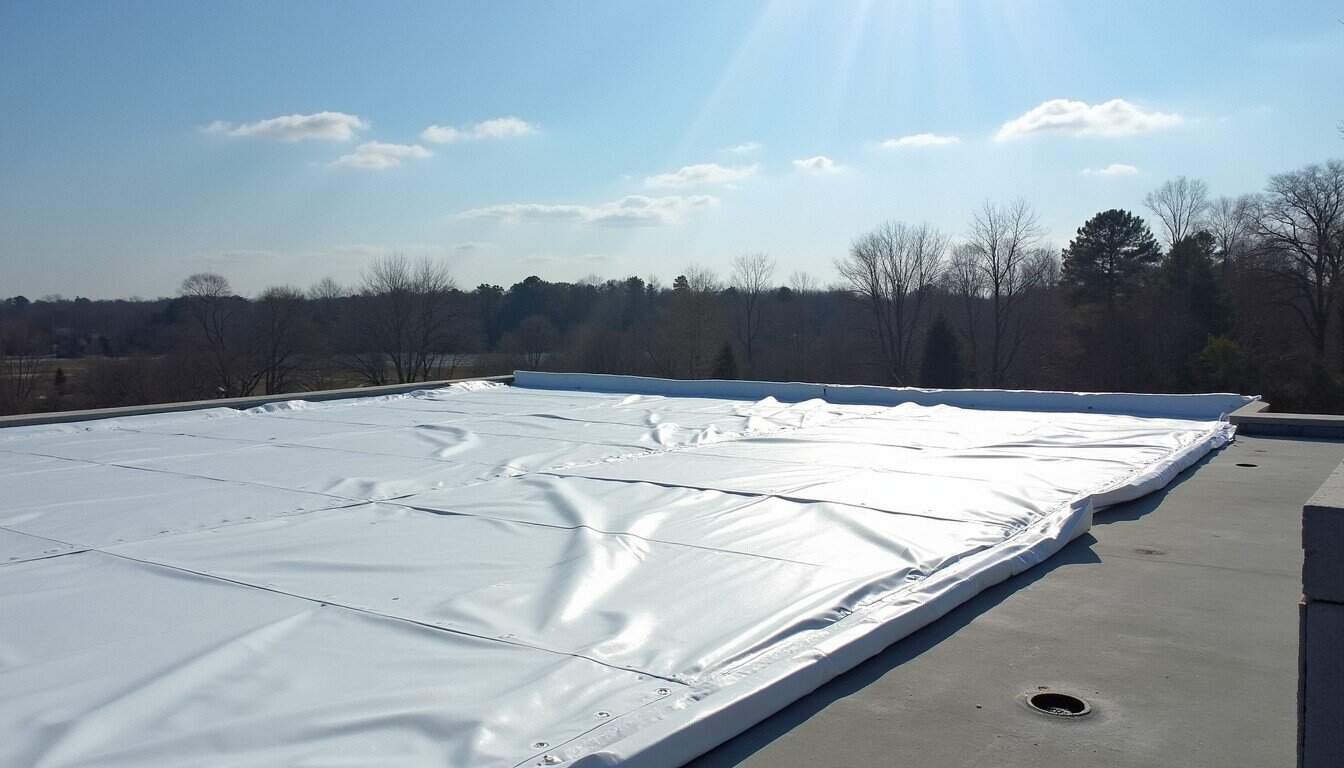
Start with a roof walk.
Send the building address, roof concern, and timing. We will help define the next step.
Contact Us