
What BUR Failure Looks Like, and What It Does Not
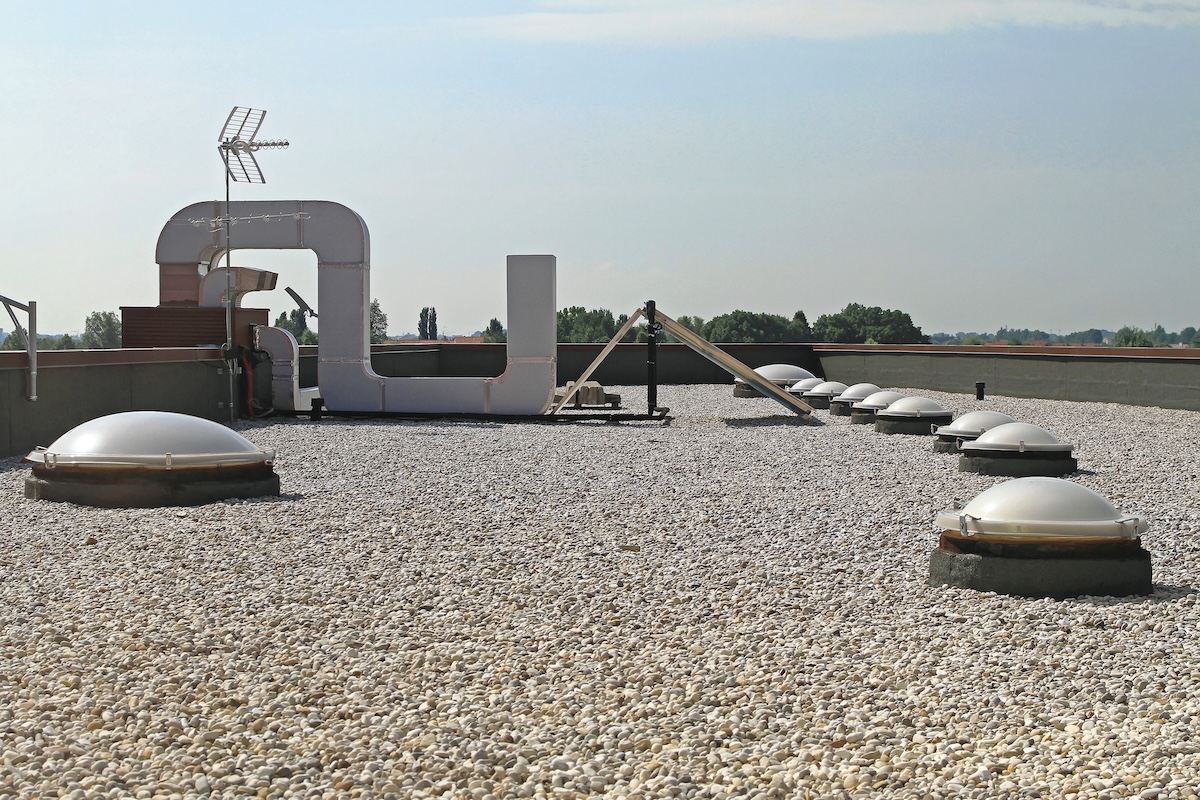
BUR roofs age in predictable patterns. Alligatoring, a cracked, scaly surface texture, develops as the surface bitumen oxidizes and loses elasticity under Oklahoma's intense UV load. Alligatoring is cosmetically alarming on inspection but structurally normal on an aging BUR surface and does not by itself indicate replacement urgency. Blistering, subsurface bubbles ranging from a few inches to two feet across, develops as moisture vapor or trapped air accumulates between plies. Blisters that remain closed and firm can be monitored; blisters that have broken open or are actively growing indicate moisture migration requiring action.
Ponding water on a BUR system accelerates deterioration faster than on single-ply membranes because standing water softens the surface bitumen over time and introduces biological growth that breaks down the underlying felt plies. Oklahoma City's spring storm pattern, heavy rain events concentrated from March through June, with rapid runoff that overtaxes aging drain systems, stresses BUR drainage infrastructure that was originally designed for lighter rainfall patterns of the 1960s and 1970s. We document ponding zones and drain performance during every BUR inspection and include drain condition and slope-to-drain adequacy in every written report.
Core cuts are the definitive diagnostic tool. We pull 3-inch core plugs at representative locations, one per 5,000 sq ft at minimum, and visually inspect each ply layer for moisture, delamination, and felt degradation. A BUR roof with dry plies and intact gravel surfacing in solid contact with the cap sheet has meaningful remaining life. A roof with saturated plies or delaminated felts is a replacement scope, not a repair scope.
BUR Replacement, When It Is the Right Call
The clearest replacement indicators on Oklahoma City BUR roofs: more than 25% of core cuts reading wet, multiple active leak points that recur after repair, gravel cap sheet with broken contact to the underlying bitumen across more than a third of the field area, or deck deterioration found during core investigation. Oklahoma's seasonal clay soil movement creates additional stress on aging BUR assemblies, the heave and settle cycle in Oklahoma County's red clay soils can open fastener patterns and seam terminations over time, accelerating moisture infiltration in ways that do not always show on surface inspection.
When we scope BUR replacement on a downtown OKC building or an older Capitol Hill commercial property, the first decision is which system replaces it. Modified bitumen, SBS or APP, is the most common choice for buildings where the owner wants proven performance on Oklahoma's low-slope commercial roofs and better mechanical and hail resistance than standard-weight single-ply. TPO is the choice when the owner wants a reflective surface for summer energy performance, a longer manufacturer warranty path, and a lower installed cost. We present both options with warranty terms, lifecycle costs, and compatibility with the existing drain layout.
Deck condition on Oklahoma City's older BUR buildings, particularly the 1960s-1970s structures with light-gauge corrugated metal deck, sometimes reveals section corrosion that must be addressed before any new system goes on. We build deck investigation into every BUR replacement scope on buildings over 30 years old. If we find deck problems after tear-off begins, we stop, document, and report before continuing, owners need to understand the full scope before, not during, the project.
BUR Recover vs. Full Tear-Off
If core cuts return dry and the BUR surface is in fair condition, no active blistering, intact gravel-to-cap contact, no broken plies, a recover system can extend the asset significantly. The typical recover path on an Oklahoma City BUR roof is: clean and prime the surface, apply a modified bitumen cap sheet or fluid-applied silicone coating over the existing BUR, and extend roof life 10-20 years depending on the recovery system and its warranty terms.
Oklahoma building code, following IBC, allows one recover layer over an existing roof before tear-off is required. OKC buildings with original BUR that already received a recover layer in the early-to-mid 2000s now need full tear-off for their next reroof cycle, and this is more common than owners recognize on the energy-boom building stock where a recover was done 15-20 years ago and the building is now in a second reroof window.
We document the layer count during core investigation and include it in every written BUR report. Discovering a building is already at its code-allowed recover limit after a new membrane has been specified and ordered stops a project cold, we surface that information during inspection, not after material is committed.
Frequently asked questions
Can a leaking BUR roof be repaired without full replacement?
Sometimes. If the leak originates at a failed flashing at a penetration or parapet, and core cuts confirm the BUR field membrane is otherwise sound, targeted repair is the right scope. If the leak is coming from failed plies in the membrane field itself, repairing the obvious wet spot without addressing the underlying ply failure typically produces a new leak nearby within 12-18 months. We will tell you which situation you are in rather than patching the visible entry point and calling it done.
How do you manage gravel removal on a BUR tear-off?
Gravel-surfaced BUR tear-off generates significant debris volume and is labor-intensive. On downtown OKC buildings or Capitol Hill properties where dumpster access is constrained, we use rooftop vacuum systems for gravel removal. The collected gravel is disposed of separately and can be directed to aggregate recycling facilities, we coordinate disposal documentation if the owner's sustainability or environmental program requires it.
Is new built-up roofing still specified for Oklahoma City commercial projects?
Rarely. New BUR installation has been largely displaced by modified bitumen, which achieves similar multi-ply performance with substantially less installation complexity and without the hot kettle and asphalt fume exposure that BUR requires. We can specify and install new BUR if a building's situation calls for it, but for most OKC commercial buildings, modified bitumen or TPO is the honest recommendation for new work.
Next StepAging BUR on an Oklahoma City commercial building?
We will walk the roof, pull core cuts, and produce a written assessment, replace versus recover, with system options, installed cost ranges, and warranty paths. No obligation.
Request a BUR Assessment →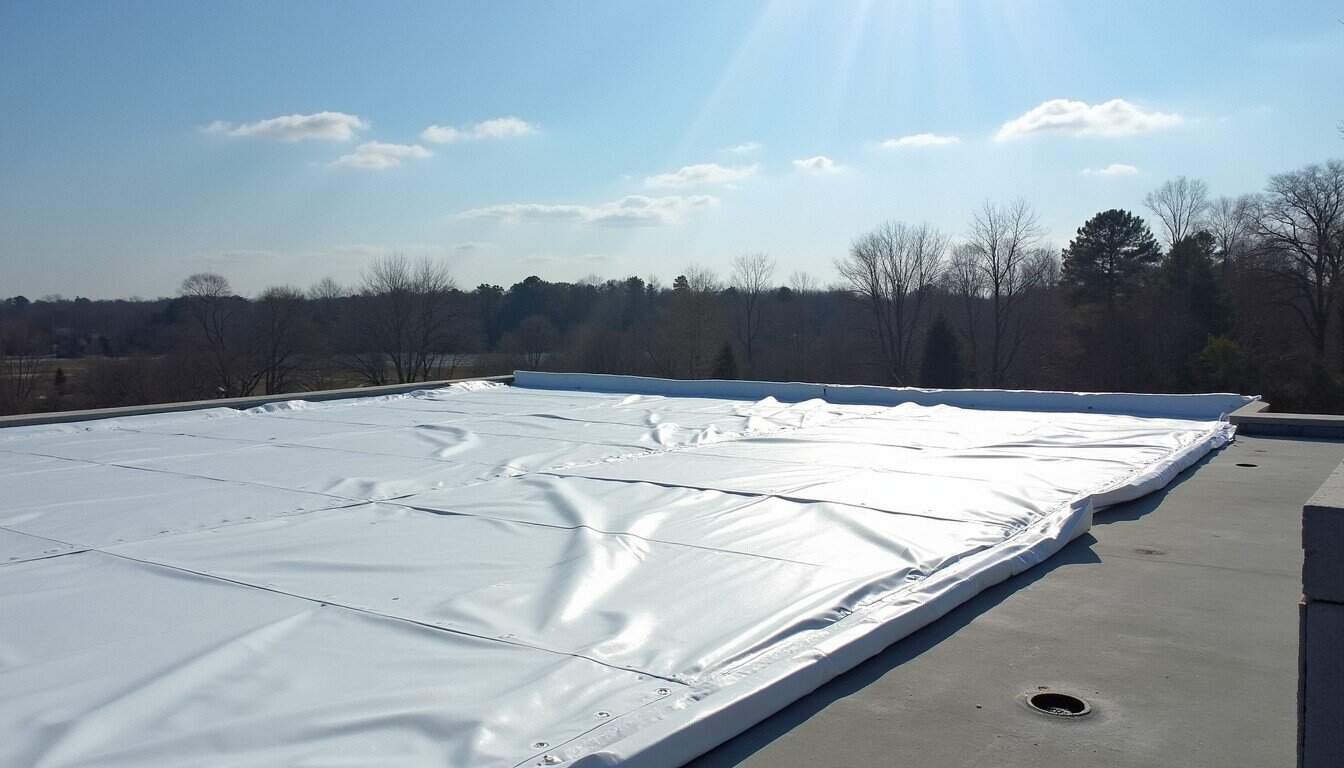
Start with a roof walk.
Send the building address, roof concern, and timing. We will help define the next step.
Contact Us