
QSR & Fast-Food Roofing, Technical Questions
What penetration flashing details are correct for a high-output cooking exhaust fan?
High-output cooking exhaust fans require stainless steel protection plates installed on the membrane surface around the exhaust curb, typically a 24-inch radius minimum around the exhaust opening. The protection plate is mechanically anchored to the deck, not adhered, so it can be removed for exhaust duct cleaning without damaging the membrane. The membrane terminates at the curb top under the protection plate perimeter, not over the protection plate surface, which would expose the membrane edge to direct grease contact.
What membrane grade is correct for the cooking exhaust zone on a QSR roof?
60-mil or 80-mil TPO in grease-resistant formulation, available from major manufacturers including Carlisle, Firestone, and GAF, is the correct specification for the exhaust exposure zone. Standard 45-mil or 60-mil standard-grade TPO will show accelerated surface weathering and seam degradation within 3-5 years in a high-output exhaust environment. The grease-resistant grade is typically 15-20% higher material cost but extends effective service life at the exhaust zone to match the rest of the membrane system.
How do you handle the HVAC curb height mismatch after adding insulation?
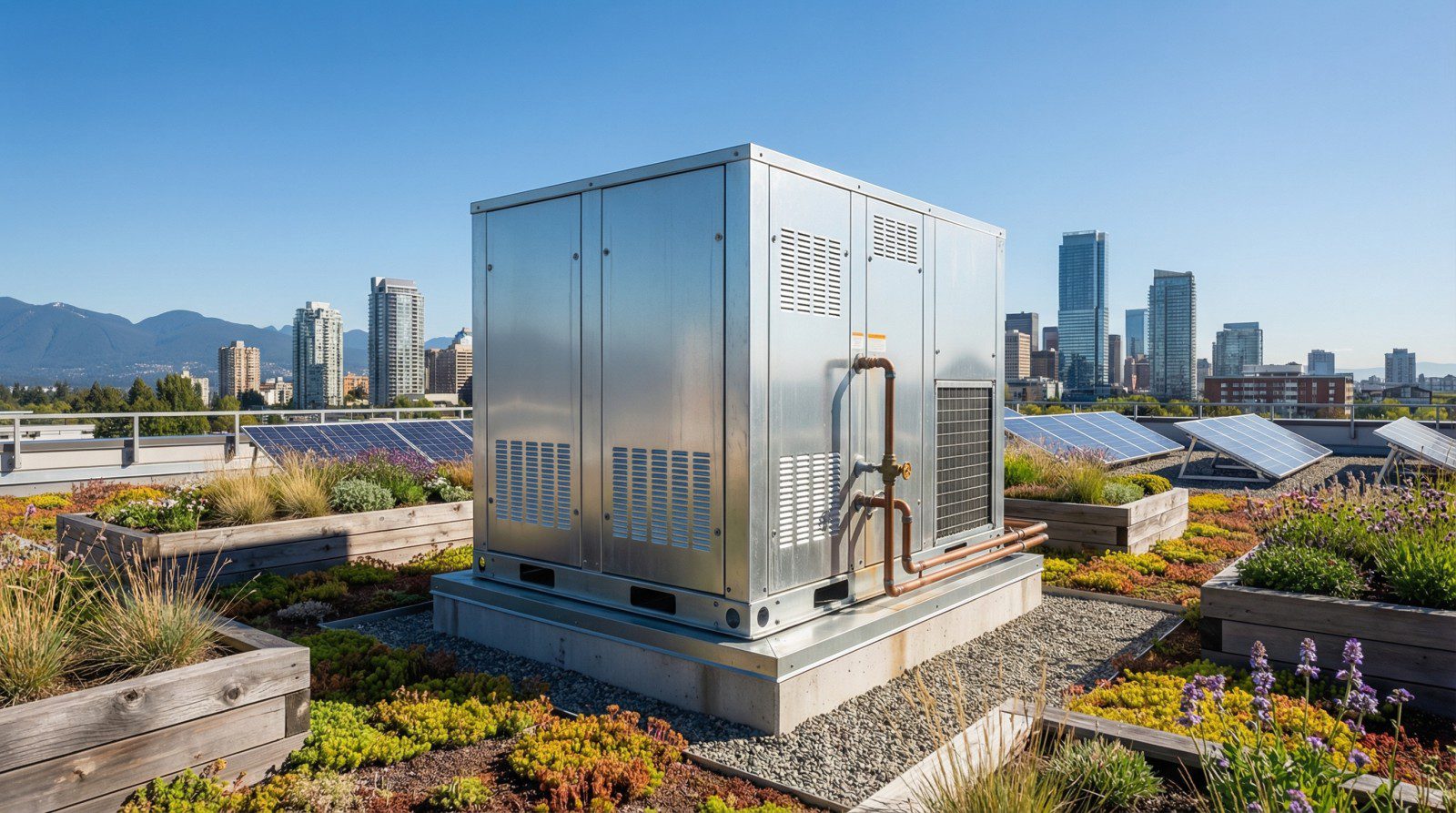
New insulation raises the finished roof surface. If existing HVAC curb heights are at or near minimum code clearance (typically 8 inches above the finished surface), adding insulation brings the membrane surface closer to the top of the curb cap, reducing the effective waterproofing height of the curb flashing. We assess every curb height against the proposed insulation thickness during the pre-bid inspection. Curbs that will be below minimum height after insulation installation are extended before membrane work begins, not flagged as a change order after the insulation is down.
How do you address the roof drainage on a QSR with a grease trap nearby?
QSR roof drainage outlets should not discharge in a location that allows roof runoff to mix with grease trap overflow during cleaning operations. We confirm drain outlet locations relative to grease trap access points and grease trap vent locations during the pre-bid inspection. If drain outlets discharge near grease trap infrastructure, we recommend drain outlet extension modifications during the re-roofing scope, these are inexpensive to address during a re-roof and expensive to fix as standalone modifications.
What is the correct specification for a drive-through canopy membrane?
Drive-through canopies use a 45-mil or 60-mil TPO membrane, the lightest weight appropriate for a non-trafficked surface, in a UV-stable formulation with a white or reflective finish to reduce heat gain in the canopy space. Canopy membranes are mechanically attached rather than adhered because canopy deck substrates (typically painted steel panels) may not provide a suitable adhesion surface. The canopy membrane is specified as a separate scope item with its own penetration and edge metal details, it's not an extension of the main building membrane specification.
Start with a roof walk.
Send the building address, roof concern, and timing. We will help define the next step.
Contact Us