
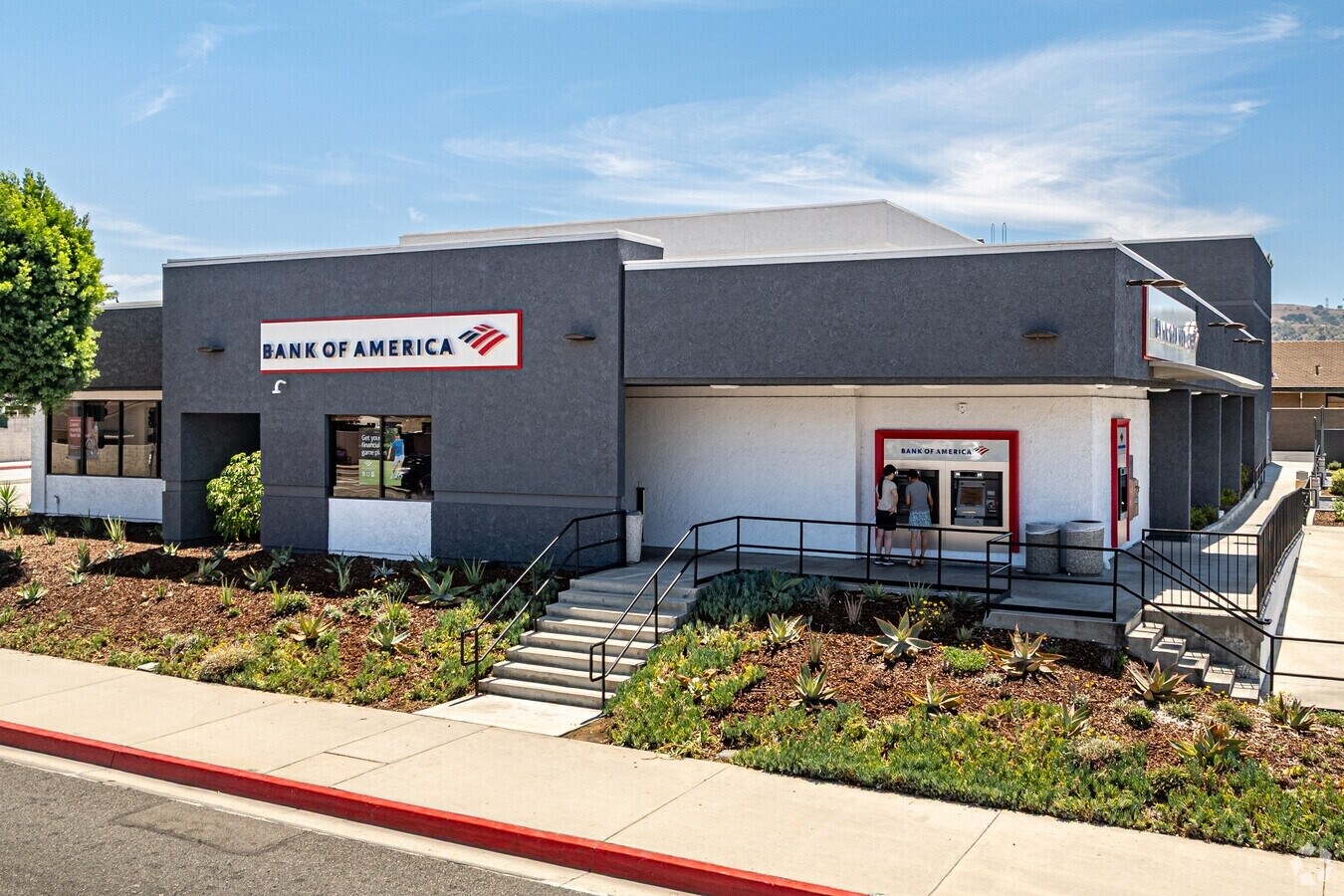
More penetrations than the footprint suggests
For such a compact roof, a bank carries a surprising amount of equipment and detail. The drive-through canopy ties back into the building, the ATM kiosk has its own enclosure and conduit, the generator and its transfer switch vent through the roof, and the server room runs a precision cooling unit that can't go down. Each of those is a separate flashing item on a roof that might only be a few thousand square feet. The density is what makes a bank roof deceptively tricky — there's very little open field and a lot of edges, curbs, and transitions, which is exactly where leaks live.
- Drive-through canopy-to-building transitions
- ATM kiosk enclosures and conduit penetrations
- Generator exhaust and transfer-switch venting
- Precision cooling units serving the server and equipment rooms
The drive-through canopy is where it leaks
If a retail bank branch has a chronic leak, the odds are it's at the drive-through canopy. That connection where the canopy roof meets the building wall takes thermal movement, wash overspray and exhaust off the vehicles idling under it, and differential settlement between a light canopy structure and the heavier main building. Standard retail flashing was never meant to flex through all of that for twenty years. We treat the canopy transition as its own detail, evaluated separately from the field membrane, and re-flash it with a detail built for the movement it actually sees. Replacing the field membrane and ignoring the canopy is how a branch keeps leaking after a brand-new roof.
Appearance counts at a bank
A bank trades on looking solid and permanent, and the roofline is part of that picture. On the low-slope branches the public never sees the membrane, but they absolutely see the fascia, the canopy edges, the parapet caps, and any mansard or sloped accent the branch was designed with. Streaked, sagging, or mismatched edge metal reads as neglect to the customer pulling into the lot, so we hold the visible details to a finish standard, not just a watertight one. Clean terminations, straight edge metal, and color-matched accessories matter on a building whose whole job is to project stability.
Hail, wind, and the documentation that follows
Oklahoma City sits in one of the most active hail and wind corridors in the country, and a bank portfolio spread across the metro will take storm damage sooner or later. Bruised membrane, dented edge metal, and damaged rooftop equipment all factor into both the repair scope and the insurance claim, and the two move together. We document the roof and the equipment with dated photos and a written condition report after a storm so the institution's risk department and its carrier are working from facts, not guesses. For an owner managing a dozen branches, that consistent post-storm record across the portfolio is what keeps claims and repairs moving instead of stalling.
Security shapes the schedule before the roof does
Financial buildings come with access rules that most commercial properties don't. Contractor badging, escort requirements near vault-adjacent areas, and security-camera documentation of everyone on site are standard at bank-owned properties here. We build the security coordination into the bid — crew credentialing, approved access windows, the lead time the institution needs to clear our people — so none of it becomes a surprise change order after the contract is signed. We pull vault locations off the building drawings before mobilizing and sequence work over those zones into approved windows, confirming with the security team that no active vault operation is disturbed by vibration or a temporary access change.
Working around banker's hours
Branches run Monday through Saturday with customers and cash on the floor, so the loud, disruptive work — tear-off, fastening, equipment moves — gets concentrated into off-hours and weekends, with daily dry-in confirmed before the doors open each morning. We set noise limits during customer-service hours with the branch manager and the corporate facilities contact up front. Water intrusion over a vault, a records room, or a server closet isn't an inconvenience at a bank; it's a business-interruption event, so we don't leave a section open overnight on a promise — it's watertight before we go.
Single branches and whole portfolios
Some of this work is one community bank or credit union taking care of its building. A lot of it is portfolio work — a regional institution with twenty branches across the metro, or a national bank running a preferred-vendor program with standardized scope documents and national-account pricing. We work both ways: inside the corporate vendor-management process for portfolio accounts, and directly with the local banker who wants one roof done right. Either way the closeout package is the same and built for an institution's records: insurance and license verification before mobilization, a pre-construction safety plan, daily work and dry-in reports, manufacturer warranty registered in the owner's name, and the final permit and inspection package.
Bank & Financial Building Roofing Questions
How do you schedule around bank operating hours?
The disruptive work is concentrated into off-hours and weekends, with daily dry-in confirmed before the branch opens each morning. We set work windows, noise limits during service hours, and any security-escort requirements with the branch manager and corporate facilities team in advance.
How do you handle the drive-through canopy connection?
As its own flashing item, separate from the field membrane. The canopy-to-wall transition takes thermal movement, vehicle overspray, and differential settlement, so we re-flash it with a detail designed for that movement. It's the most common chronic leak on bank branches and replacing the field membrane alone never fixes it.
What documentation do financial institutions require?
Insurance certificates and license verification before mobilization, a pre-construction safety plan, daily work and dry-in reports, manufacturer warranty registered in the owner's name, and a final permit and inspection package — provided within each institution's vendor-management process.
Can you work over active vaults and security-sensitive areas?
Yes. We locate vault rooms from the building drawings before mobilizing, sequence work on those zones into approved windows, and confirm with security that no active vault operation is affected by vibration or temporary access changes during the work.
Do you handle multi-site bank roofing programs?
Yes. Whether it's a regional bank with twenty branches or a national institution with locations across the state, we provide standardized scoping, documentation, and pricing across the portfolio with a single project-management contact for corporate facilities.
Start with a roof walk.
Send the building address, roof concern, and timing. We will help define the next step.
Contact Us