
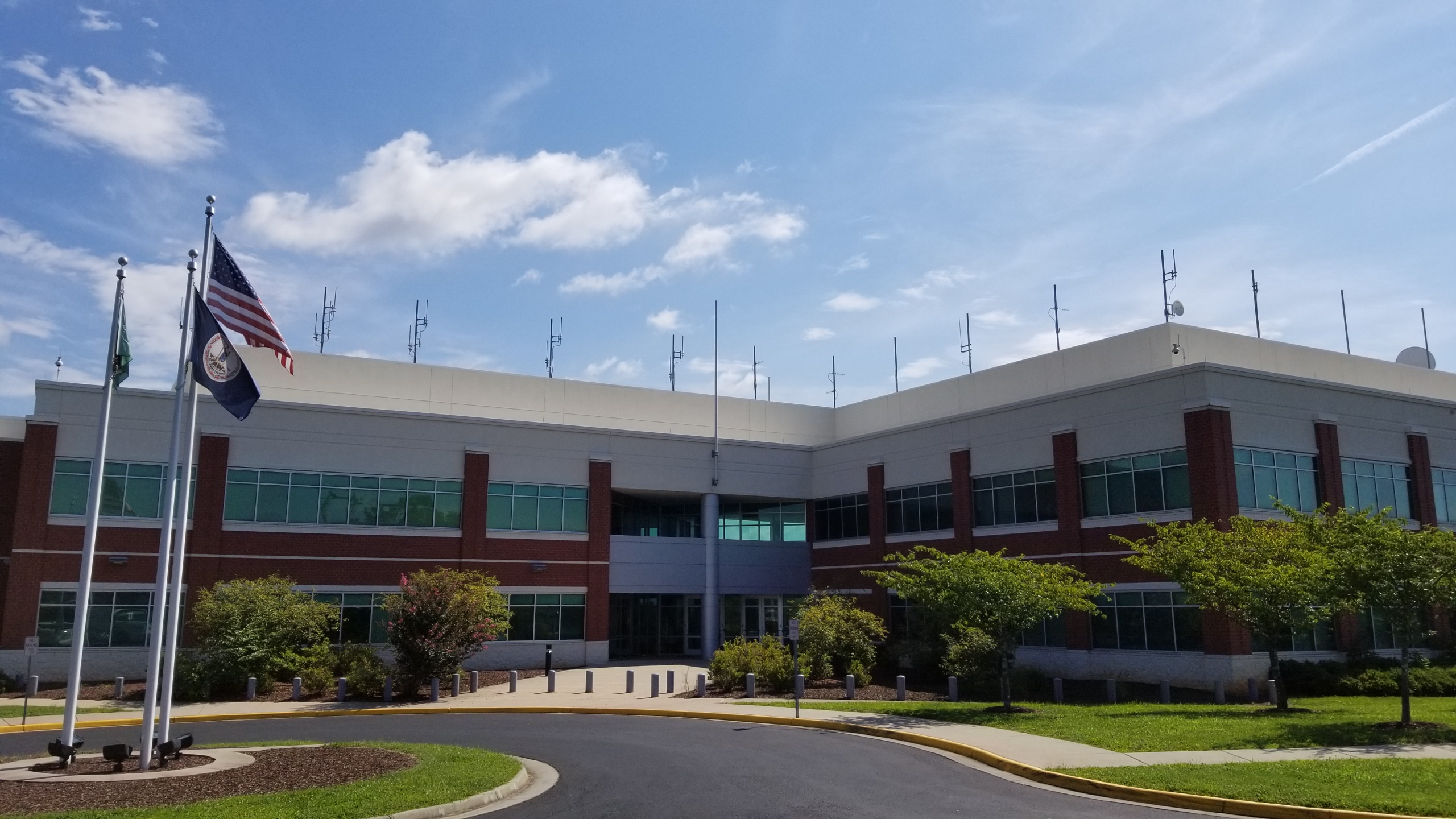
Building the Five-Year CapEx Forecast
The forecast starts with the current condition record for every building. Buildings rated condition 1-2 are in the immediate replacement queue, year one or year two of the plan. Buildings rated condition 3 are in the monitoring queue, years three through five, with a replacement trigger defined by which specific conditions would move them forward. Buildings rated condition 4-5 are in the maintenance queue and remain outside the replacement plan for the current five-year window.
Cost banding: We do not produce precise replacement cost numbers on a five-year forecast because material and labor costs move over that horizon. We produce cost bands, per-square ranges for each building based on current OKC roofing costs, and note that years three through five should be re-priced at each annual forecast update. We account for OKC-specific cost variables: impact-rated cover board (which we specify on every project) adds material cost above a standard-density insulation stack, and the post-storm surge in contractor demand that follows a major hail event can add 10-20% to reactive replacement cost.
Sequencing: We recommend sequencing based on three criteria, condition urgency (how fast is the building deteriorating), business impact (buildings with tenants or operating functions directly at risk from roof failure get prioritized), and cost efficiency (projects with economies of scale go together where possible). For portfolio owners managing energy-sector office buildings, the sequencing recommendation also accounts for lease renewal cycles, a tenant renewing a five-year lease on a building with a condition-2 roof is a situation that requires capital action before the renewal is signed, not after.
Post-Tornado and Post-Hail Capital Adjustment
A standard five-year capital plan assumes gradual, predictable deterioration. Oklahoma City's storm environment makes that assumption wrong in some years. After a major hail event, the 2024 season, the 2019 season, the 2016 season each produced documented 2-inch-plus stones across Oklahoma County, we reassess every building in the portfolio, update condition ratings for storm-affected buildings, and rerun the capital forecast before the next planning window.
The post-storm capital adjustment document shows the owner exactly which buildings moved in the queue and why, it is not a general statement that storm conditions are bad, but a specific zone-by-zone assessment of which areas of each building sustained impact damage that changed the condition rating. This is the documentation that also supports insurance claim preparation and that contractors and adjusters can work from without an additional site visit.
Lifecycle Cost Analysis, Replace Now vs. Defer
The lifecycle cost analysis compares three scenarios: replace now at planned cost, defer one to three years with ongoing repair cost and increased replacement premium, and recover (apply a restoration coating or recover membrane) to extend the asset five to ten years. Each scenario is costed against the building's actual condition data.
Oklahoma City conditions affect the math in specific ways. The sustained summer heat, surface temperatures above 165°F on dark roofs from June through August, accelerates membrane degradation on roofs already in the 3-4 condition range relative to milder climates. Oklahoma's documented annual hail exposure means that a roof in declining condition carries insurance risk that a replaced, impact-rated system does not. Post-tornado capital planning must also account for the cost of emergency dry-in and temporary roofing during a storm response window, which adds to the true cost of reactive replacement. We factor all of these into the lifecycle analysis and document the assumptions so the owner can review and challenge them.
Frequently asked questions
How far out should an Oklahoma City asset owner be planning roof capital?
Five years is the minimum useful horizon for buildings in the 4-5 condition range. Buildings in the 3-condition range need to be in a five-year plan because OKC's storm seasons can accelerate deterioration faster than the condition trajectory predicts. The capital plan should be updated annually, and reassessed after any documented severe hail event, so that each year's data narrows the forecast for the following year.
What do you need from us to build a capital plan?
The building list with approximate roof area and age, any prior inspection reports or warranty documents available, and access for a baseline inspection of each building. If we are already managing the portfolio's inspection program, we produce the capital plan directly from the existing condition record without additional site visits.
Can you help us make the internal case for a roof replacement?
Yes. The written capital document is formatted for capital committee or CFO review, not a facilities meeting. It includes condition data, cost bands, sequencing rationale, and lifecycle cost analysis in a format readable without roofing expertise. We have produced capital documents for Oklahoma state agency facilities departments, hospital system capital committees, and corporate energy-sector asset managers. The format is the same; the audience language adjusts.
How does the capital plan account for hail events that occur between updates?
We update the plan after every documented severe hail event that affects portfolio buildings. The update identifies which buildings sustained damage sufficient to change their condition rating, revises the sequencing recommendation, and notes the cost impact of the storm on the overall capital horizon. This is not a full rewrite, it is a targeted update to the affected buildings with a revised portfolio summary.
Next StepBuild a defensible capital plan for your Oklahoma City roof portfolio.
We produce the five-year forecast, the sequencing recommendation, and the written capital document your ownership group needs to approve the ask. Call 405-468-9218 or use the form.
Start the Capital Plan →
Start with a roof walk.
Send the building address, roof concern, and timing. We will help define the next step.
Contact Us