
Occupied-Building Sequencing and Guest Impact
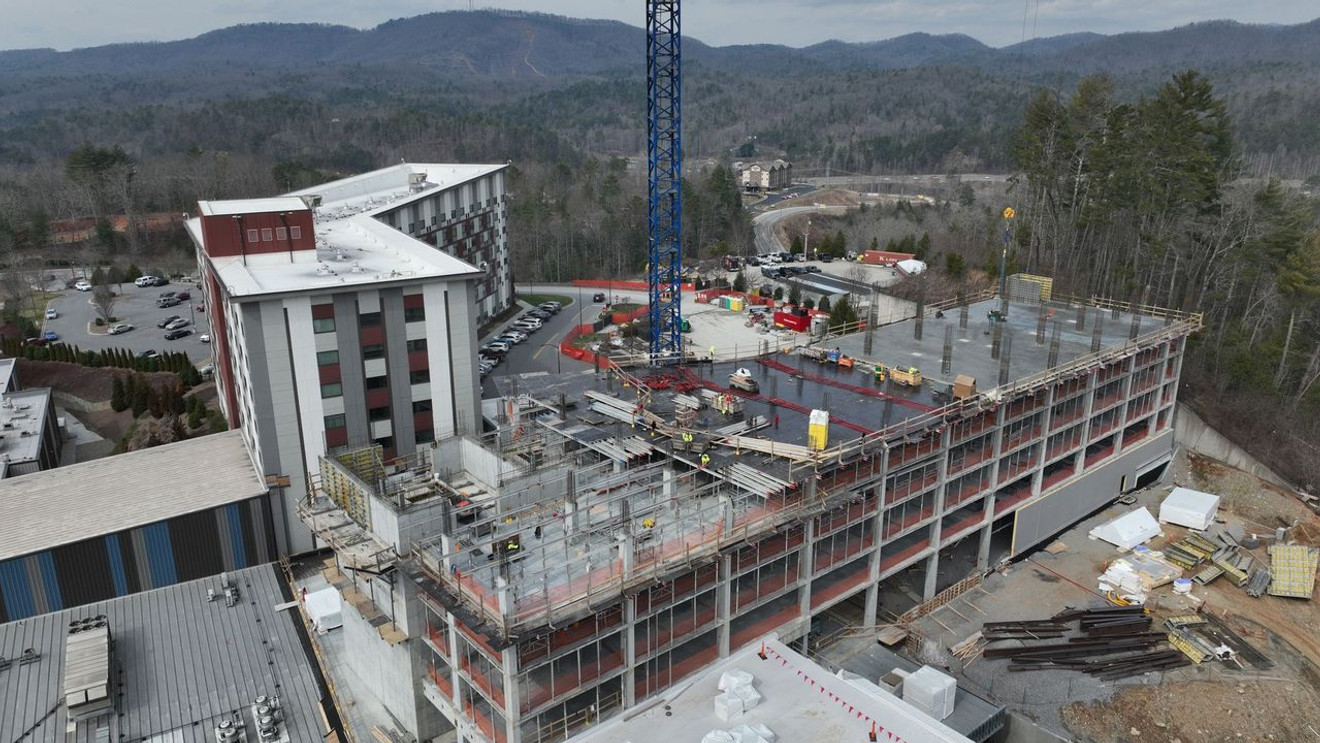
A hotel property does not have a summer shutdown window the way a school does. The Omni Oklahoma City and the Skirvin Hilton operate at meaningful occupancy 52 weeks a year, with peak periods during major convention events, Thunder basketball home games at Paycom Center, and the Oklahoma City Memorial Marathon weekend in late April. We ask for the hotel's occupancy calendar and event schedule before we finalize the production sequence, high-occupancy periods are low-production periods for our heaviest work.
Our production day on a hotel project starts at the time the hotel's general manager approves as acceptable for initial noise. For most OKC hotel projects, that is 7 or 8 AM. We cease heavy fastening and equipment noise by late morning and transition to quieter work, membrane welding, caulking, flashing work, through the afternoon. Demolition material is staged and crane-lifted during approved windows that do not conflict with the hotel's morning breakfast service or lobby activity.
Debris control is non-negotiable on hotel properties. A fastener or insulation fragment falling to a pedestrian area, a pool deck, or a guest room terrace is an incident that the hotel's general manager has to manage with the brand. We run debris-containment systems on every open edge throughout production and remove all debris from the roof and the surrounding property at the end of every shift.
Rooftop Bar, Restaurant, and Event Space Coordination
Several OKC hotel properties operate rooftop bars, restaurant terraces, or event spaces that generate revenue daily. The Omni Oklahoma City's rooftop amenities are an example of this, a rooftop pool and event venue that cannot simply be closed for three weeks while a roofing contractor works around it. We sequence work around active rooftop amenity spaces, working the non-amenity roof sections first and scheduling the amenity-area sections for the venue's scheduled closed days.
Mechanical penetrations serving rooftop kitchens and bars, grease exhaust hoods, make-up air units, walk-in cooler condensers, require the same careful flashing attention as a hospital or data center penetration. A poorly flashed grease exhaust penetration that begins leaking after the project closes out is not just a roofing deficiency, it is a health department compliance issue for the food service operation. We treat rooftop food service penetrations as individual scope items with documented flashing details.
Historic Properties and Brand Standard Compliance
The Skirvin Hilton's roof work requires coordination with both the Hilton brand's physical standards documentation and the building's historic designation requirements. The Skirvin is listed on the National Register of Historic Places, which affects what materials and details are acceptable at visible roof edges and at any feature that affects the building's exterior appearance. We identify the intersection of brand standard and historic preservation requirement in pre-construction and resolve any conflict before production begins, not during.
For franchise hotel properties across the OKC metro, we document the completed roof system in the format that supports the brand's property improvement plan (PIP) process. The warranty document, zone diagram, and system specification are formatted to satisfy the brand's physical standards documentation requirements, so that the ownership group has what they need when the franchise inspector asks for the roof documentation at the next inspection cycle.
Frequently asked questions
Can you work on a hotel without disturbing guests?
Yes, with the right pre-construction coordination. We ask for the hotel's occupancy calendar and event schedule before finalizing the production plan. Heavy work is scheduled for low-occupancy windows and early morning hours. We coordinate with the general manager on room block strategy for rooms directly below the active work section. The goal is a project that does not generate guest complaints or management incidents.
How do you handle a rooftop bar or event space during the project?
We sequence work to avoid the rooftop amenity area during its operating hours. We identify the venue's scheduled closed days and build the amenity-area production into those windows. Mechanical penetrations serving rooftop food and beverage operations are treated as individual scope items with documented flashing details, we do not run standard production sequencing around a grease exhaust hood.
We are in a franchise PIP process. Can you provide the documentation the brand requires?
Yes. At closeout we deliver the warranty document, zone diagram, and system specification formatted to support franchise brand physical standards documentation requirements. We have worked with hotel ownership groups navigating Hilton and Marriott PIP processes and understand what the brands' documentation desks require.
Do you have experience with the Skirvin or other historic OKC hotel properties?
Yes. Historic hotel properties in OKC require coordination between brand physical standards and historic preservation requirements. We identify the intersection of those requirements in pre-construction and resolve any conflict before production begins. The Skirvin's National Register designation is a real constraint on what materials and details are acceptable at visible roof edges, and we address it as a pre-construction item rather than a field improvisation.
Next StepHotel roof project in Oklahoma City?
We sequence hospitality roof projects around your occupancy calendar, rooftop amenity schedule, and franchise documentation requirements, with guest-impact minimization built into the production plan from day one.
Request a Hospitality Roof Assessment →
Start with a roof walk.
Send the building address, roof concern, and timing. We will help define the next step.
Contact Us